
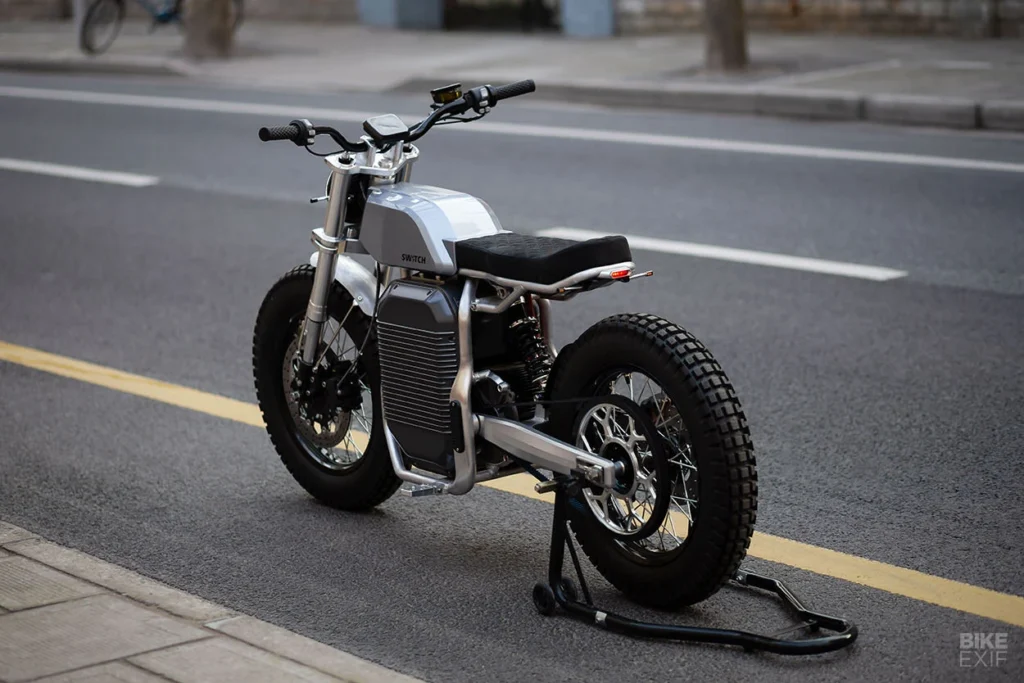
Street Legal Electric Bike
Electric bikes have transformed personal transportation across Europe, North America, Asia, and many other parts of the world. They offer an eco-friendly, cost-effective, and enjoyable alternative to cars and motorcycles while making daily commuting easier than ever.
However, one question continues to confuse riders and buyers:
What exactly makes an electric bike street legal?
The answer is not always straightforward. Different countries, states, and local authorities have specific regulations regarding motor power, maximum speed, throttle systems, licensing, registration, and safety equipment.
Buying the wrong e-bike can lead to fines, restrictions, insurance complications, or even confiscation in some jurisdictions.
This comprehensive guide explains everything you need to know about street legal electric bikes, including legal requirements, e-bike classifications, riding rules, common mistakes, and the best legal electric bikes available today.
Whether you are a beginner looking for your first e-bike or an experienced rider wanting to stay compliant with changing regulations, this guide will help you make an informed decision.
What Is a Street Legal Electric Bike?
A street legal electric bike is an e-bike that complies with the laws and regulations of the region where it is being ridden.
Unlike electric motorcycles or high-powered electric dirt bikes, a legal e-bike falls within specific limits for:
- Motor power
- Assisted speed
- Throttle functionality
- Safety features
- Pedal assistance
A street legal electric bike can generally be ridden on public roads, bike lanes, and designated cycling infrastructure without requiring motorcycle registration.
However, legal requirements vary significantly between countries.
For example:
| Region | Typical Legal Motor Limit | Typical Speed Limit |
| European Union | 250W | 25 km/h (15.5 mph) |
| United Kingdom | 250W | 25 km/h |
| United States | 750W | 20–28 mph |
| Canada | 500W | 32 km/h |
| Australia | 250W | 25 km/h |
Always check local regulations before purchasing an electric bike.
Why Street Legality Matters
Many riders assume that if an e-bike has pedals, it is automatically legal.
Unfortunately, this is not true.
Owning a non-compliant electric bike can result in:
- Traffic fines
- Insurance complications
- Vehicle confiscation
- Restricted access to public roads
- Liability issues during accidents
Choosing a legal electric bike protects both the rider and other road users.
What Makes an Electric Bike Street Legal?
Several factors determine whether an electric bike qualifies as street legal.
1. Functional Pedals
Most jurisdictions require electric bikes to have fully operational pedals.
If a vehicle operates solely through a motor without pedals, authorities may classify it as:
- Electric scooter
- Moped
- Electric motorcycle
This classification often triggers additional legal requirements.
2. Motor Power Limits
Motor power is one of the most important legal factors.
Common Limits Worldwide
| Region | Maximum Power |
| EU | 250W |
| UK | 250W |
| Canada | 500W |
| USA | 750W |
| Australia | 250W |
Exceeding these limits can change the legal status of the vehicle.
3. Maximum Assisted Speed
Street legal electric bikes are speed-restricted.
Typical limits include:
- 25 km/h in Europe
- 20 mph for Class 1 and Class 2 e-bikes in the US
- 28 mph for Class 3 e-bikes in the US
Once assistance continues beyond legal thresholds, the bike may be treated as a motor vehicle.
4. Approved Electrical Components
Quality street legal e-bikes typically include:
- Certified batteries
- Safe wiring systems
- Approved controllers
- Protected charging systems
Cheap, modified systems may fail safety inspections.
5. Safety Equipment
Depending on the jurisdiction, legal e-bikes may require:
- Front lights
- Rear lights
- Reflectors
- Bell or horn
- Braking systems
- Helmet compliance
Understanding Electric Bike Classes
One of the biggest topics overlooked by competing articles is the e-bike classification system.
Understanding classes helps riders stay legal.
Class 1 Electric Bikes
Class 1 bikes provide pedal assistance only.
Features:
- No throttle
- Pedal-assist system
- Maximum speed of 20 mph (32 km/h)
Best for:
- Commuters
- Recreational riders
- Bike paths
Advantages
- Widely accepted
- Trail friendly
- Beginner friendly
Disadvantages
- No throttle assistance
Class 2 Electric Bikes
Class 2 bikes include a throttle.
Features:
- Pedal assist
- Throttle operation
- Maximum speed of 20 mph
Best for:
- Urban commuting
- Casual riding
- Riders needing occasional motor-only assistance
Advantages
- Easier acceleration
- Convenient for city traffic
Disadvantages
- Some trails prohibit throttles
Class 3 Electric Bikes
Class 3 bikes are designed for higher speeds.
Features:
- Pedal assist
- Up to 28 mph (45 km/h)
- Often include speedometers
Best for:
- Long-distance commuters
- Experienced riders
Advantages
- Faster travel
- Excellent commuting performance
Disadvantages
- More regulations
- Trail restrictions in some areas
Street Legal Electric Bike Laws Around the World
European Union Regulations
The EU follows some of the strictest electric bike regulations globally.
Legal requirements include:
- Maximum 250W motor
- Pedal-assist only
- 25 km/h assistance limit
Any bike exceeding these specifications may require registration and insurance.
United Kingdom Regulations
The UK follows Electrically Assisted Pedal Cycle (EAPC) rules.
Requirements:
- Pedals required
- 250W motor
- 25 km/h assistance cutoff
- Rider age 14+
No registration or insurance is typically required.
United States Regulations
The US generally uses the three-class system.
Key points:
- Maximum 750W motor
- Classes 1, 2, and 3 recognized
- State laws vary significantly
Always verify local state requirements.
Canada Regulations
Canadian provinces generally allow:
- 500W motors
- 32 km/h assistance
- Helmet requirements
Some provinces have age restrictions.
Australia Regulations
Australia generally permits:
- 250W pedelecs
- 25 km/h assistance
- Compliance with local state regulations
Do You Need a License for a Street Legal Electric Bike?
In most countries, legal electric bikes do not require:
- Motorcycle licenses
- Vehicle registration
- Road tax
However, exceptions exist.
Licensing may become necessary if:
- Motor power exceeds legal limits
- Top speed exceeds regulations
- The vehicle resembles a motorcycle
Always check local regulations.
Do Street Legal Electric Bikes Require Registration?
Most compliant e-bikes do not require registration.
Registration may become mandatory if:
- The bike exceeds power limits
- The bike exceeds speed limits
- The bike is classified as a moped
This is one reason why factory-certified legal e-bikes are often the safest purchase.
Do You Need Insurance?
Insurance requirements vary globally.
Generally:
| Bike Type | Insurance Requirement |
| Standard Legal E-Bike | Usually Not Required |
| Speed Pedelec | Sometimes Required |
| Electric Moped | Often Required |
| Electric Motorcycle | Required |
Even when not legally required, insurance can provide valuable protection.
Where Can You Ride a Street Legal Electric Bike?
Public Roads
Street legal e-bikes can typically use public roads.
Riders should obey:
- Traffic signals
- Road signs
- Speed limits
Bike Lanes
Most jurisdictions allow Class 1 and Class 2 e-bikes in bike lanes.
Rules vary for Class 3 models.
Multi-Use Trails
Trail access depends on local regulations.
Many parks allow:
- Class 1 e-bikes
Some restrict:
- Class 2 throttles
- Class 3 models
Sidewalks
Sidewalk riding rules vary considerably.
In many cities:
- Adults are prohibited from riding e-bikes on sidewalks.
- Children may have exceptions.
How Fast Can a Street Legal Electric Bike Go?
Speed limits vary by region.
| Category | Typical Maximum Speed |
| EU Legal E-Bike | 25 km/h |
| UK E-Bike | 25 km/h |
| US Class 1 | 20 mph |
| US Class 2 | 20 mph |
| US Class 3 | 28 mph |
Some aftermarket modifications remove speed limiters.
Doing so may make the bike illegal.
Common Reasons an E-Bike Becomes Illegal
Many riders unintentionally make their e-bike non-compliant.
Removing Speed Limiters
A common modification that often violates regulations.
Increasing Motor Power
Upgrading beyond legal limits can reclassify the vehicle.
Unauthorized Throttle Conversions
Adding a throttle may change legal classification.
DIY Modifications
Homemade upgrades can create legal and safety issues.
Street Legal Electric Bike vs Electric Motorcycle
Many buyers confuse electric bikes and electric motorcycles.
Comparison Table
| Feature | Street Legal E-Bike | Electric Motorcycle |
| Pedals | Yes | No |
| Registration | Usually Not Required | Required |
| Insurance | Usually Optional | Required |
| License | Often Not Required | Required |
| Weight | Light | Heavy |
| Speed | Limited | Much Higher |
| Running Costs | Very Low | Moderate |
Winner for Daily Commuting
Street legal electric bikes are generally more affordable and practical.
Winner for Performance
Electric motorcycles provide significantly greater speed and powe
Best Street Legal Electric Bikes in 2026
1. Trek Allant+ 7
Best for premium commuting.
Features
- Bosch Performance motor
- High-quality components
- Long range
Best For
Urban professionals and daily commuters.
2. Specialized Turbo Vado
Best all-round street legal e-bike.
Features
- Smooth power delivery
- Premium frame
- Excellent handling
Best For
Commuters and recreational riders.
3. Giant Explore E+
Best for comfort.
Features
- Upright riding position
- Strong range
- Reliable support network
Best For
Touring and city riding.
4. Cube Kathmandu Hybrid
Best for touring.
Features
- Large battery
- Comfortable ergonomics
- Cargo capability
Best For
Long-distance riders.
5. Cannondale Adventure Neo
Best beginner-friendly option.
Features
- Easy handling
- Comfortable seat
- Accessible geometry
Best For
New riders entering the e-bike market.
Pros and Cons of Street Legal Electric Bikes
Pros
- Environmentally friendly
- Low operating costs
- No fuel expenses
- Easier commuting
- Reduced traffic stress
- Accessible to beginners
- Health benefits through pedal assistance
Cons
- Initial purchase cost
- Battery replacement expenses
- Legal differences between regions
- Range limitations
- Charging requirements
FAQs
Are all electric bikes street legal?
No. Motor power, speed, and equipment determine legality.
Can police stop an electric bike rider?
Yes. Authorities may inspect bikes suspected of violating regulations.
Can I ride a street legal e-bike without insurance?
In most regions, yes. However, optional coverage is recommended.
What is the maximum legal speed for an e-bike?
This depends on local regulations. Common limits range from 25 km/h to 28 mph.
Is a 1000W e-bike street legal?
In many countries and regions, a 1000W motor exceeds legal limits.
Final Verdict
A street legal electric bike offers one of the most practical, economical, and environmentally responsible transportation solutions available today. However, legality depends on far more than simply having an electric motor and pedals.
Motor power, assisted speed, classification, safety equipment, and local regulations all play a critical role in determining whether an e-bike can legally operate on public roads.
For most riders, choosing a factory-certified Class 1, Class 2, or regionally compliant pedelec provides the safest path to legal and hassle-free ownership.
Before buying any electric bike, take time to verify local regulations and manufacturer specifications. Doing so ensures you enjoy all the benefits of electric mobility while staying fully compliant with the law.
As electric transportation continues to evolve, street legal electric bikes will remain one of the smartest choices for commuting, recreation, and sustainable travel across the globe.
