
Introduction
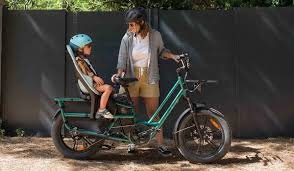
Family transportation is changing rapidly, and more parents are discovering the convenience of an electric bike with kid seat. Whether you’re dropping children off at school, running errands around town, or enjoying weekend adventures, an e-bike equipped with a child seat can make family travel easier, more affordable, and more enjoyable.
Unlike traditional bicycles, electric bikes provide pedal assistance that helps parents carry extra weight without excessive effort. This makes them an excellent option for families who want to reduce car usage while maintaining comfort and convenience.
However, choosing the right electric bike for carrying children involves more than simply attaching a seat. Safety, compatibility, weight limits, riding conditions, and child comfort all play important roles in selecting the ideal setup.
This guide covers everything you need to know about electric bikes with kid seats, including safety considerations, seat types, essential features, buying tips, and common mistakes to avoid.
Why More Families Are Choosing Electric Bikes
Electric bikes have become increasingly popular among parents for several reasons.
Cost Savings
Owning and maintaining a car can be expensive. Fuel, insurance, parking fees, and maintenance costs add up quickly. An electric bike offers a more economical alternative for short-distance travel.
Environmental Benefits
Families looking to reduce their carbon footprint often choose e-bikes as a cleaner transportation option. Electric bikes produce significantly fewer emissions compared to cars.
Convenient School Runs
Many parents now use e-bikes for school drop-offs. Navigating traffic, finding parking, and dealing with congestion becomes much easier when traveling by bike.
Health Benefits
Although the motor provides assistance, riders still pedal and remain physically active. This helps parents stay fit while handling daily transportation needs.
Are Electric Bikes With Kid Seats Safe?
One of the most common concerns among parents is safety.
The good news is that an electric bike with a properly installed child seat can be very safe when used correctly.
Key safety factors include:
- Using a certified child seat
- Following manufacturer weight limits
- Ensuring the child wears a properly fitted helmet
- Performing regular maintenance checks
- Riding at appropriate speeds
- Using secure safety harnesses
Parents should remember that carrying a child changes the bike’s balance and handling. Practice riding with added weight before traveling in busy areas.
Types of Kid Seats for Electric Bikes
Not all child seats are the same. Understanding the different options helps you choose the best solution for your family.
Rear-Mounted Child Seats
Rear-mounted seats are among the most popular options.
Benefits include:
- Suitable for older children
- Better weight distribution
- Comfortable seating position
- Greater protection from wind
These seats typically attach to a rear rack or directly to the bike frame.
Front-Mounted Child Seats
Front-mounted seats position the child between the rider and handlebars.
Advantages include:
- Better interaction with the child
- Easier monitoring during rides
- Enjoyable viewing experience for children
However, front seats are generally designed for younger and lighter children.
Mid-Mounted Seats
Mid-mounted systems place the child in the center of the bike.
These setups often provide:
- Improved balance
- Enhanced rider control
- Better communication between parent and child
Cargo Bike Seating Systems
Cargo e-bikes are specifically designed to carry passengers and cargo.
Benefits include:
- Multiple child seating options
- Higher weight capacities
- Improved stability
- Greater storage space
For families with two or more children, cargo bikes are often the preferred solution.
Essential Features to Look For
When shopping for an electric bike with kid seat compatibility, several features deserve special attention.
Strong Frame Construction
A sturdy frame improves safety and handling when carrying extra weight.
Look for:
- Aluminum frames
- Reinforced cargo designs
- Durable welding and construction
Reliable Brakes
Additional passenger weight increases stopping distance.
Hydraulic disc brakes provide:
- Strong braking performance
- Better control in wet conditions
- Consistent stopping power
High Weight Capacity
Check the bike’s total payload rating carefully.
Consider:
- Rider weight
- Child weight
- Child seat weight
- Additional cargo
Powerful Motor
A stronger motor makes climbing hills and carrying passengers easier.
Many family riders prefer motors ranging from 500W to 750W depending on local regulations.
Long Battery Range
Family rides often involve multiple stops.
Look for batteries capable of providing enough range for your daily transportation needs.
Choosing the Right Child Seat
Selecting the correct child seat is just as important as choosing the bike itself.
Consider Your Child’s Age
Different seats are designed for different age groups.
Generally:
- Younger children benefit from front-mounted seats.
- Older children often fit better in rear-mounted systems.
- Multiple children may require cargo bike seating.
Always follow manufacturer recommendations.
Check Compatibility
Not every child seat fits every electric bike.
Verify compatibility with:
- Frame design
- Rear rack specifications
- Weight limits
- Battery placement
Prioritize Safety Features
Important features include:
- Adjustable harness systems
- Footrests
- Protective side panels
- Shock-absorbing designs
Electric Cargo Bikes vs Traditional E-Bikes
Families frequently compare cargo bikes and traditional electric bikes.
Traditional Electric Bikes
Pros:
- Lower cost
- Easier storage
- Lighter weight
- More maneuverable
Cons:
- Limited passenger capacity
- Less Cargo space
- Lower stability with multiple children
Cargo Electric Bikes
Pros:
- Higher weight capacity
- Better stability
- More room for children
- Greater versatility
Cons:
- Higher purchase price
- Larger storage requirements
- Heavier design
Families with one child may find a standard e-bike sufficient, while larger families often benefit from a cargo model.
How to Ride Safely With a Child Passenger
Safety should always remain the top priority.
Start Slowly
Practice riding in quiet areas before entering traffic.
Reduce Speed
Even though e-bikes can travel quickly, moderate speeds improve safety and comfort.
Avoid Sudden Movements
Sharp turns and abrupt braking can make children uncomfortable and affect stability.
Use Visibility Gear
Increase visibility with:
- Reflective clothing
- Bike lights
- Reflective accessories
Check Equipment Before Every Ride
Inspect:
- Tire pressure
- Brakes
- Seat attachment points
- Battery charge
Common Mistakes Parents Make
Many first-time riders make avoidable errors.
Ignoring Weight Limits
Exceeding weight limits can affect safety and performance.
Purchasing an Incompatible Seat
Always verify compatibility before buying.
Riding Too Fast
Children may not enjoy high speeds, and faster riding increases risk.
Skipping Maintenance
Regular maintenance helps prevent mechanical issues.
Forgetting Helmet Use
Both parent and child should wear properly fitted helmets every ride.
Benefits of Family Cycling
Beyond transportation, family cycling offers many valuable benefits.
Stronger Family Connections
Shared rides create memorable experiences and encourage quality time together.
Outdoor Exploration
Families spend more time outdoors and discover local parks, trails, and neighborhoods.
Reduced Screen Time
Cycling provides a healthy alternative to indoor entertainment.
Greater Independence
Older children gain confidence and learn about safe transportation habits.
Maintaining an Electric Bike With a Child Seat
Proper maintenance ensures safety and extends the life of your bike.
Weekly Checks
Inspect:
- Tires
- Brakes
- Child seat mounting points
- Lights
Monthly Maintenance
Check:
- Battery health
- Drivetrain wear
- Bolts and fasteners
- Brake pad condition
Professional Service
Schedule professional inspections at least once or twice per year.
People Also Ask
Can I put a child seat on any electric bike?
Not necessarily. Compatibility depends on frame design, rack strength, battery placement, and manufacturer recommendations. Always verify compatibility before purchasing a child seat.
What age can a child ride in a bike seat?
Age recommendations vary by seat manufacturer. Most child seats are designed for children who can sit upright independently and meet minimum weight requirements.
Is a front or rear child seat better?
Front seats offer better interaction and visibility, while rear seats generally support larger children and provide greater versatility for longer rides.
Are cargo bikes safer for carrying children?
Cargo bikes are specifically designed for transporting passengers and often provide improved stability, higher weight capacities, and more seating options.
How fast should I ride with a child passenger?
Comfort and safety should guide your speed. Smooth, predictable riding at moderate speeds helps create a safer and more enjoyable experience for children.
Final Thoughts
An Electric bike with kid seat can transform the way families travel. From daily school runs to weekend adventures, e-bikes provide a practical, eco-friendly, and enjoyable transportation solution.
The key to success lies in choosing the right combination of bike, child seat, and safety equipment. By focusing on compatibility, stability, braking performance, and passenger comfort, parents can create a setup that supports years of safe family riding.
As more cities become bike-friendly and families seek alternatives to car travel, electric bikes continue to prove that convenience, sustainability, and family fun can go hand in hand.
For more cycling guides, buying advice, and family riding tips, explore additional resources at BikesLover.com.
