
Introduction
Electric bikes have changed the way people commute, exercise, and explore cities across Europe and around the world. With modern e-bikes capable of reaching speeds of 25 km/h (15.5 mph) and even 45 km/h (28 mph) in some categories, rider safety has become more important than ever.
While many riders focus on battery range, motor power, and bike features, one of the most critical investments is often overlooked: the electric bike helmet.
Unlike traditional cycling helmets, many e-bike helmets are specifically designed to handle higher-speed impacts, provide greater head coverage, and incorporate advanced safety technologies such as MIPS, NTA 8776 certification, integrated LED lighting, and smart connectivity systems.
Whether you are a daily commuter in London, a touring enthusiast in Germany, a mountain e-bike rider in France, or a city cyclist in Amsterdam, choosing the right electric bike helmet can significantly reduce the risk of serious head injuries.
This comprehensive guide explains everything you need to know about electric bike helmets, including safety standards, helmet technologies, buying considerations, legal requirements, maintenance tips, and expert recommendations.
What Is an Electric Bike Helmet?
An electric bike helmet is a protective headgear specifically designed or certified for the higher speeds and increased impact forces associated with electric bicycles.
Although standard bicycle helmets provide protection, e-bike helmets often offer additional safety features, including:
- Enhanced rear and side head coverage
- Higher-speed impact testing
- Advanced rotational impact protection
- Improved visibility systems
- Integrated lighting
- Smart safety technology
- Better protection for urban commuting
The primary goal of an electric bike helmet is to provide superior protection during accidents that may occur at speeds beyond those commonly experienced on traditional bicycles.
Why Electric Bike Riders Need Better Helmet Protection
The popularity of e-bikes has increased dramatically throughout Europe, North America, and Asia. However, studies consistently show that higher riding speeds can increase the severity of crashes and head injuries.
Several factors make e-bike accidents potentially more dangerous than conventional bicycle crashes:
Higher Average Speeds
Traditional cyclists typically ride between 10 and 15 mph (16–24 km/h).
Many electric bikes regularly travel at:
- 20 mph (32 km/h)
- 25 mph (40 km/h)
- 28 mph (45 km/h)
Higher speeds generate significantly greater impact forces during collisions.
Increased Bike Weight
Electric bikes are heavier than standard bicycles due to:
- Battery systems
- Electric motors
- Reinforced frames
The extra weight can contribute to more severe crash dynamics.
Longer Commutes
Many e-bike owners use their bikes daily for commuting.
This means:
- More exposure to traffic
- Greater accident risk
- Increased importance of reliable safety equipment
Urban Riding Conditions
Electric bikes are frequently used in:
- Busy city streets
- Bicycle lanes
- Shared roads
- High-density traffic environments
These conditions increase the need for advanced head protection.
Do You Need a Special Helmet for an Electric Bike?
This is one of the most common questions among new riders.
The simple answer is:
Yes and no.
A standard bicycle helmet that meets local safety regulations can legally be used on many electric bikes.
However, an e-bike-specific helmet offers several advantages:
| Feature | Standard Bike Helmet | Electric Bike Helmet |
| Higher-Speed Testing | Limited | Enhanced |
| Rear Coverage | Standard | Extended |
| NTA 8776 Certification | Rare | Common |
| Integrated Lighting | Rare | Common |
| Urban Safety Features | Basic | Advanced |
| Visibility Systems | Limited | Enhanced |
For riders using Class 3 e-bikes, speed pedelecs, or powerful commuter e-bikes, an NTA 8776-certified helmet is highly recommended.
Understanding Electric Bike Helmet Safety Standards
One of the most important aspects of helmet selection is understanding certifications.
A helmet’s certification tells you how it was tested and what level of protection it offers.
NTA 8776: The Gold Standard for E-Bike Helmets
NTA 8776 is widely considered the most important certification for electric bike helmets.
Developed in the Netherlands, this standard was created specifically for speed pedelecs and faster electric bicycles.
Why NTA 8776 Matters
Traditional bicycle helmets are tested for lower-speed impacts.
NTA 8776 helmets undergo testing for:
- Higher impact velocities
- Larger coverage areas
- Greater energy absorption
- Enhanced temple protection
- Improved rear head protection
Key Benefits
- Better protection at higher speeds
- Larger protective shell area
- Stronger impact absorption
- Ideal for commuting and urban riding
For European riders, NTA 8776 certification is often considered the benchmark for premium e-bike safety.
CPSC Certification
In the United States, bicycle helmets must comply with Consumer Product Safety Commission (CPSC) standards.
CPSC testing evaluates:
- Impact absorption
- Strap retention
- Coverage requirements
- Structural integrity
Most helmets sold in North America carry this certification.
EN 1078 Certification
EN 1078 is the standard bicycle helmet certification used throughout Europe.
It ensures helmets meet minimum safety requirements regarding:
- Impact resistance
- Retention systems
- Peripheral vision
- Structural performance
While EN 1078 remains important, many riders now prefer helmets that combine EN 1078 and NTA 8776 certification.
MIPS vs WaveCel vs Koroyd: Which Technology Is Best?
Modern helmet manufacturers increasingly focus on reducing rotational forces during crashes.
These technologies aim to minimize brain injuries caused by sudden rotational movement.
MIPS (Multi-directional Impact Protection System)
MIPS is currently the most widely adopted helmet safety technology.
How It Works
A low-friction layer inside the helmet allows slight movement during impact.
This helps redirect rotational forces away from the brain.
Advantages
- Proven technology
- Widely available
- Lightweight design
- Available in many price ranges
Disadvantages
- Slightly higher cost
- Not all helmets include MIPS
WaveCel Technology
WaveCel uses a collapsible cellular structure inside the helmet.
Benefits
- Impact absorption
- Rotational force management
- Energy dissipation
Limitations
- Usually more expensive
- Available in fewer helmet models
Koroyd Technology
Koroyd uses thousands of tiny welded tubes designed to crush during impact.
Advantages
- Excellent energy absorption
- Improved ventilation
- Lightweight construction
Disadvantages
- Less common than MIPS
- Often found in premium helmets
Types of Electric Bike Helmets
Different riding styles require different helmet designs.
Choosing the right type significantly affects comfort and safety.
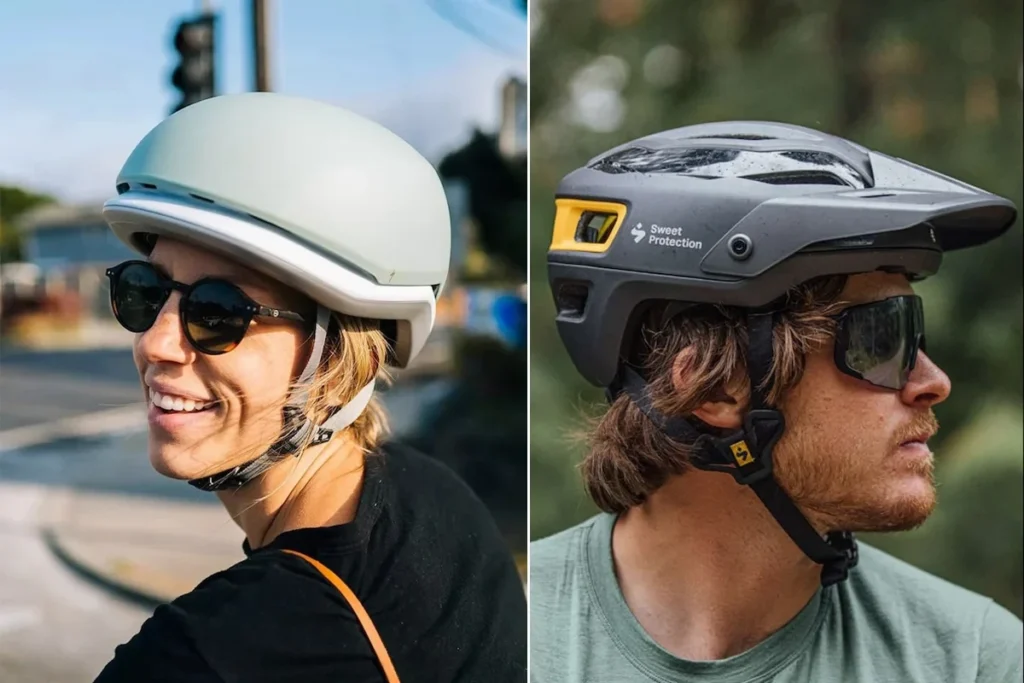
Urban Commuter Helmets
Urban helmets are designed for daily city riding.
Best For
- Commuters
- Office workers
- City cyclists
Common Features
- Integrated rear lights
- Reflective elements
- Stylish appearance
- NTA 8776 certification
Electric Mountain Bike Helmets
Electric mountain bike helmets prioritize off-road protection.
Best For
- Trail riding
- Technical terrain
- Adventure riding
Features
- Extended rear coverage
- Adjustable visors
- Enhanced ventilation
- MIPS technology
Full-Face E-Bike Helmets
Full-face helmets offer maximum protection.
Best For
- High-speed e-bikes
- Downhill riding
- Aggressive trail riding
Advantages
- Chin protection
- Face protection
- Maximum impact coverage
Disadvantages
- Heavier weight
- Reduced airflow
Smart Electric Bike Helmets
Technology is transforming modern helmet design.
Features May Include
- Bluetooth connectivity
- Turn signals
- Built-in speakers
- Crash detection
- GPS integration
- Emergency SOS alerts
Smart helmets are becoming increasingly popular among commuters and technology enthusiasts.
How to Choose the Best Electric Bike Helmet
Selecting the right helmet involves more than simply choosing the most expensive option.
Consider the following factors.
1. Certification
Always prioritize safety certification before style or price.
Look for:
- NTA 8776
- EN 1078
- CPSC
2. Proper Fit
A poorly fitted helmet cannot provide optimal protection.
The helmet should:
- Sit level on the head
- Cover the forehead
- Feel snug but comfortable
- Not move excessively
3. Ventilation
Ventilation becomes important during:
- Summer riding
- Long commutes
- Mountain biking
More vents generally improve airflow.
4. Weight
A lighter helmet improves comfort on longer rides.
Premium helmets often balance protection with reduced weight.
5. Visibility
Choose helmets with:
- Reflective materials
- Bright colors
- LED lights
- Rear illumination systems
Visibility is particularly important during commuting and night riding.
Best Electric Bike Helmet Features to Look For in 2026
The e-bike helmet market has evolved significantly over the past few years. Modern helmets offer much more than basic impact protection. Understanding these features can help you choose a helmet that matches your riding style and safety needs.
Advanced Rotational Impact Protection
Rotational injuries are among the most serious consequences of bicycle accidents. Modern helmet technologies are specifically designed to reduce these forces.
Look for helmets featuring:
- MIPS (Multi-directional Impact Protection System)
- WaveCel technology
- Koroyd technology
- SPIN systems
- Turbine technology
For most riders, MIPS remains one of the best combinations of affordability and proven safety.
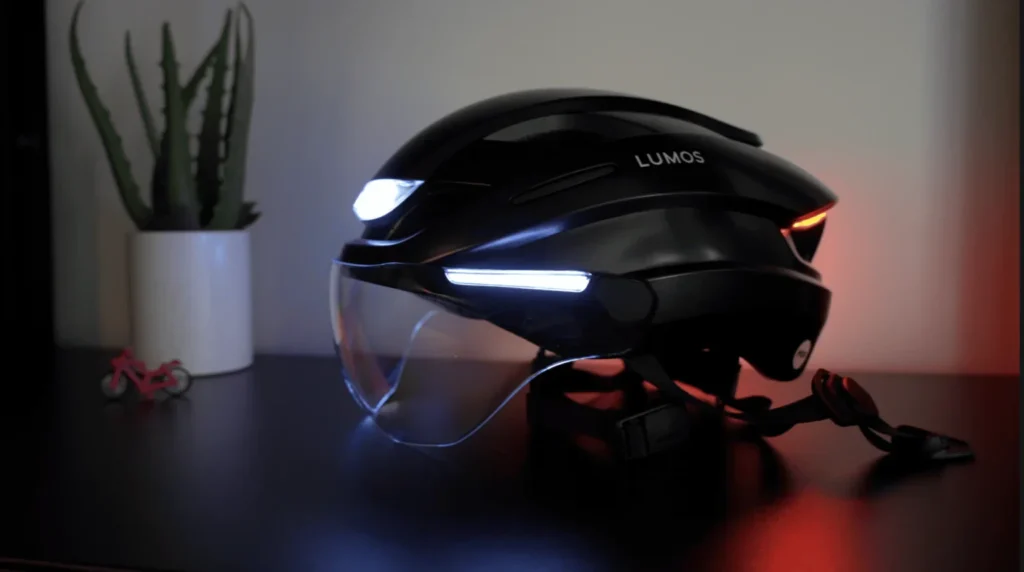
Integrated LED Lighting
Visibility is a critical safety factor, especially for commuters.
Many premium electric bike helmets now include:
- Rear LED lights
- Brake light functionality
- Turn indicators
- USB rechargeable batteries
- Automatic light sensors
Integrated lighting can significantly improve visibility during early morning and evening rides.
Magnetic Buckle Systems
Traditional buckles can be difficult to operate while wearing gloves.
Magnetic buckle systems offer:
- Faster operation
- One-handed use
- Improved convenience
- Better daily usability
These systems are particularly useful for commuters who frequently remove and replace their helmets.
Adjustable Retention Systems
Every rider’s head shape is different.
A high-quality adjustment system allows:
- Better fit customization
- Increased comfort
- Improved helmet stability
- Reduced pressure points
Look for dial-adjust systems that allow micro-adjustments.
Ventilation Channels
Electric bike riders often spend longer periods on the road than traditional cyclists.
Proper ventilation helps:
- Reduce sweating
- Improve comfort
- Minimize overheating
- Increase long-distance riding enjoyment
The best commuter helmets balance airflow with weather protection.
Electric Bike Helmet Laws Around the World
Helmet laws vary significantly depending on the country, region, and type of e-bike.
Before riding, it is important to understand your local regulations.
European Union
Many EU countries require helmets for certain e-bike categories.
Typical Rules
| E-Bike Type | Helmet Requirement |
| Standard E-Bike (25 km/h) | Varies by country |
| Speed Pedelec (45 km/h) | Usually Mandatory |
| Electric Scooter | Varies |
Countries such as Germany, Belgium, and the Netherlands often have stricter rules for speed pedelecs.
United Kingdom
For standard electrically assisted pedal cycles (EAPCs), helmets are strongly recommended but generally not mandatory.
However, riders should always prioritize safety regardless of legal requirements.
United States
Helmet regulations vary by state.
Some states require helmets for:
- Minors
- Class 3 e-bike riders
- Certain municipalities
Always check local regulations before riding.
Australia and New Zealand
Helmet use is generally mandatory for cyclists, including e-bike riders.
Failure to wear a helmet can result in fines in many regions.
How Long Does an Electric Bike Helmet Last?
Many riders mistakenly believe a helmet lasts forever.
In reality, helmet materials gradually degrade due to:
- UV exposure
- Sweat
- Heat
- Moisture
- Everyday wear
Most manufacturers recommend replacement every:
Recommended Replacement Schedule
| Condition | Recommended Action |
| Normal Use | Replace Every 3–5 Years |
| Major Crash | Replace Immediately |
| Visible Damage | Replace Immediately |
| Cracked Shell | Replace Immediately |
| Damaged Straps | Replace Immediately |
Even if a helmet appears undamaged after a crash, internal foam structures may have absorbed impact energy and become compromised.
How to Properly Fit an Electric Bike Helmet
A poorly fitted helmet can significantly reduce protection.
Follow these steps for proper fitting.
Step 1: Position the Helmet Correctly
The helmet should sit level on your head.
Avoid:
- Tilting backward
- Wearing too high on the forehead
- Leaving excessive gaps
A properly positioned helmet should sit approximately two finger widths above your eyebrows.
Step 2: Adjust the Retention System
Use the adjustment dial to create a secure fit.
The helmet should feel:
- Snug
- Comfortable
- Stable
It should not move excessively when you shake your head.
Step 3: Adjust the Side Straps
The straps should form a “V” shape below each ear.
Incorrect strap positioning can reduce effectiveness during an accident.
Step 4: Secure the Chin Strap
The chin strap should be tight enough that only one or two fingers fit beneath it.
A loose strap can allow the helmet to shift or come off during a crash.
Common Electric Bike Helmet Mistakes to Avoid
Many riders unknowingly reduce their protection through simple mistakes.
Wearing the Helmet Too Far Back
This leaves the forehead exposed during impacts.
Buying Based Only on Appearance
A stylish helmet is useless if it lacks proper certification.
Always prioritize safety standards.
Using a Damaged Helmet
Never continue using a helmet that has suffered a significant impact.
Ignoring Certification Labels
Always verify safety certifications before purchasing.
Buying Used Helmets
A used helmet may have hidden damage that is impossible to detect visually.
For maximum protection, purchase a new helmet from a reputable manufacturer.
Electric Bike Helmet Maintenance Guide
Proper maintenance helps maximize helmet lifespan and performance.
Cleaning the Exterior
Use:
- Mild soap
- Warm water
- Soft cloth
Avoid harsh chemicals that may damage helmet materials.
Cleaning Interior Pads
Most modern helmets feature removable liners.
Wash them regularly to:
- Remove sweat
- Eliminate odors
- Improve hygiene
Allow pads to air dry completely before reinstalling.
Storage Tips
Store your helmet:
- Indoors
- Away from direct sunlight
- In a cool, dry location
Avoid leaving helmets in hot vehicles for extended periods.
Electric Bike Helmet Buying Checklist
Before purchasing an e-bike helmet, make sure it meets the following requirements.
Quick Buying Checklist
| Feature | Recommended |
| NTA 8776 Certification | Yes |
| MIPS or Similar Protection | Yes |
| Adjustable Fit System | Yes |
| Good Ventilation | Yes |
| Reflective Elements | Yes |
| Comfortable Weight | Yes |
| Reputable Brand | Yes |
| Warranty Coverage | Preferred |
If a helmet checks most of these boxes, it is likely a strong candidate for daily use.
Who Should Buy an Electric Bike Helmet?
Electric bike helmets are recommended for virtually all e-bike riders.
They are particularly beneficial for:
Daily Commuters
Enhanced visibility and comfort make them ideal for city riding.
Speed Pedelec Riders
Higher-speed certification offers additional peace of mind.
Electric Mountain Bikers
Improved coverage helps protect against off-road impacts.
Older Riders
Additional safety features can be especially valuable.
Delivery Riders
Frequent road exposure increases the importance of advanced protection.
FAQs
Are electric bike helmets safer than regular bike helmets?
Many electric bike helmets provide additional coverage and higher-speed certifications, making them better suited to e-bike riding.
What is NTA 8776 certification?
NTA 8776 is a safety standard specifically developed for e-bike riders and speed pedelecs. It includes higher impact testing requirements and greater coverage.
Is MIPS worth the extra money?
For many riders, yes. MIPS helps reduce rotational forces during certain types of impacts and is widely regarded as a valuable safety feature.
Can I use a motorcycle helmet on an e-bike?
You can, but motorcycle helmets are generally heavier, less ventilated, and designed for different riding conditions.
How often should I replace my e-bike helmet?
Most manufacturers recommend replacement every three to five years or immediately after any significant impact.
Final Expert Verdict
As electric bikes continue to transform urban transportation, rider safety must remain a top priority. While batteries, motors, and performance features often receive the most attention, an electric bike helmet is arguably the most important piece of equipment any rider can own.
The best electric bike helmet combines certified protection, proper fit, advanced impact technology, excellent visibility, and long-term comfort. For most riders, choosing a helmet with NTA 8776 certification and MIPS technology provides an excellent balance of safety and value.
Whether you are commuting through busy city streets, exploring countryside routes, or riding a high-speed speed pedelec, investing in a quality electric bike helmet can significantly reduce the risk of serious injury and improve confidence on every ride.
At BikesLover.com, our recommendation is simple: never choose a helmet based solely on appearance or price. Prioritize certified protection, proper fit, and proven safety technology. A high-quality electric bike helmet is not just an accessory—it is an investment in your safety, confidence, and riding future.
