
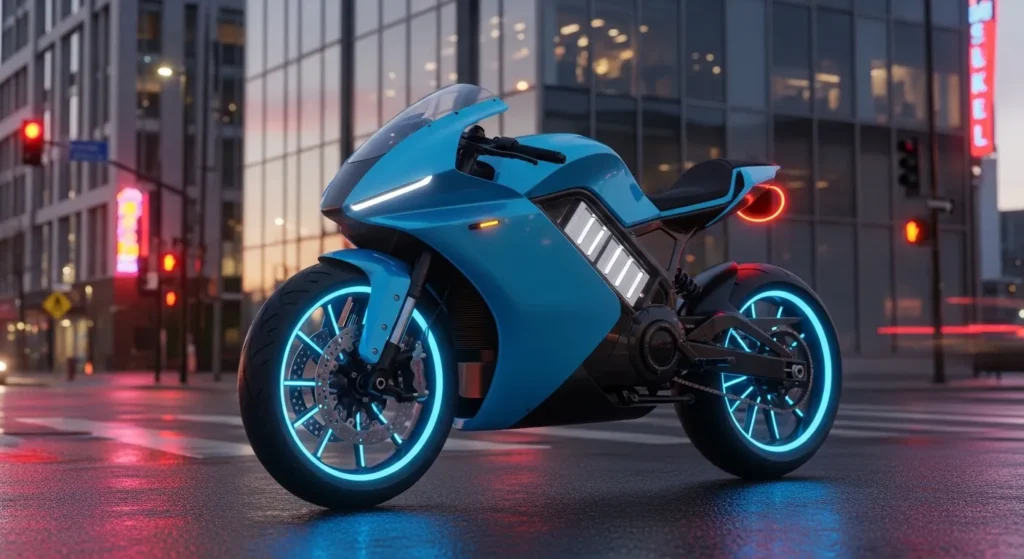
Electric Bike Frames
Electric bike frame through Islamabad’s bustling streets or tackling rugged trails in the Margalla Hills on an electric bike that feels light, responsive, and built to last. The secret? Its frame. In 2026, the electric bike frame isn’t just a skeleton—it’s the backbone that handles heavier batteries (up to 1,000Wh), powerful motors (1,000W+), and rider weights over 120kg without flinching. Poor frame choices lead to cracks, reduced range, or discomfort, while the right one boosts efficiency by 15-25% and slashes repair bills.
This comprehensive guide dives deep into electric bike frame essentials, drawing from global trends across the USA, Europe, China, India, and Pakistan. We’ll compare materials like aluminum vs steel ebike frames, explore types from step-thru to full-suspension, and share a 2026 buyer’s checklist tailored for riders like you in humid climates. Expect real-world examples from brands like Voltour, Himiway, Engwe, Trek, Specialized, and emerging Pakistani assemblers. Whether you’re commuting in Lahore traffic or touring the Karakoram Highway, we’ll help you pick a frame that future-proofs your ride. Let’s roll.
Why Electric Bike Frames Matter More in 2026
Electric bikes have evolved dramatically since 2020. Frames now support 60+ mph assists, integrated batteries, and smart tech like power meters. A weak electric bike frame vibrates under torque, drains battery faster, or fails safety tests—critical as UL 2849 and EN 15194 regs tighten worldwide.
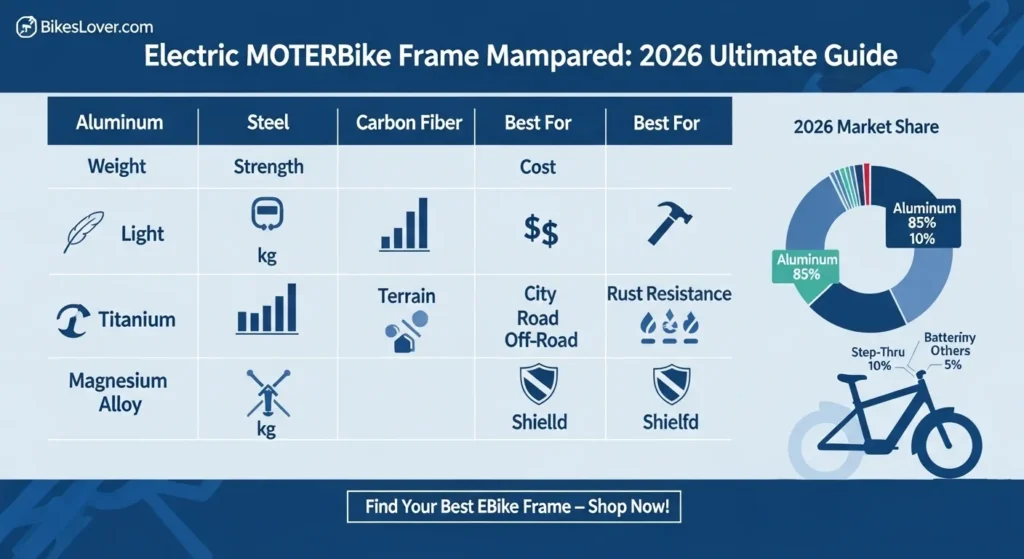
In Pakistan, where monsoon humidity rusts steel overnight, frames dictate longevity. Globally, aluminum dominates 85% of sales (Statista 2025 data), but 2026 innovations like magnesium alloys promise 20% lighter builds. Frames impact:
- Range: Lighter ones extend rides by 10-20km.
- Handling: Stiff frames cut wobble at high speeds.
- Comfort: Vibration-damping materials ease long hauls.
Real example: Himiway’s Cruiser uses reinforced aluminum for 150kg payloads, thriving in Dubai’s heat—perfect for Islamabad’s variable terrain.
Electric Bike Frame Materials: In-Depth Comparison
Material choice defines your electric bike frame’s soul. Aluminum leads for balance, but steel shines off-road, carbon races ahead, and titanium offers elite durability. Here’s a breakdown based on 2026 lab tests and rider feedback.
Aluminum: The Commuter King
Aluminum alloys (6061-T6 series) weigh 5-7kg for mid-sized frames, resisting corrosion in Pakistan’s 80% humidity. They’re 30% lighter than steel, boosting pedal-assist efficiency. Brands like Engwe and Voltour swear by them for urban e-bikes.
Pros: Affordable ($300-600), easy to weld, recyclable.
Cons: Less impact-resistant than steel; dents under heavy crashes.
Steel: Off-Road Beast
Chrome-molybdenum steel (4130) hits 9-12kg but absorbs shocks like a champ. Ideal for fat-tire e-bikes in India’s dusty plains or Pakistan’s northern trails. Himiway’s Big Dog uses it for 750W motors.
Pros: Unbreakable strength, repairable anywhere.
Cons: Rust-prone without coatings; heavier saps range.
Carbon Fiber: Premium Performance
Ultra-light (3-5kg), carbon fiber damps vibrations 40% better than aluminum (per Specialized tests). High-end like Trek’s Domane+ for European tours.
Pros: Aero gains, stiff yet compliant.
Cons: $1,500+ price; cracks need expert fixes.
Titanium and Emerging Magnesium Alloys
Titanium (7-9kg) blends strength and lightness for adventurers—think Rad Power’s premium line. 2026’s magnesium alloys (e.g., from Chinese innovators) cut weight 15% with shock absorption, eyeing EU markets.
| Material | Weight (Mid-Size Frame) | Strength (Impact Rating) | Cost (Standalone) | Best For | Rust Resistance | 2026 Adoption Rate |
| Aluminum | 5-7kg | Good (8/10) | $$ ($300-600) | Commuting, city | Excellent | 85% |
| Steel | 9-12kg | Excellent (10/10) | $ ($200-400) | Off-road, cargo | Fair (with coating) | 10% |
| Carbon Fiber | 3-5kg | High (9/10, flexes) | ($1,200+) | Racing, tours | Excellent | 3% |
| Titanium | 7-9kg | Elite (10/10) | $$$ ($900-1,500) | Premium adventure | Elite | 1% |
| Magnesium Alloy | 4-6kg | Very Good (8.5/10) | $$$ ($700-1,000) | Hybrids, future-proof | Good | Rising (5%) |
This table pulls from 2025-2026 frame analyses by BikeRadar and ElectricBikeReview, updated for new alloys.
Pros and Cons of Popular Electric Bike Frame Materials
- Aluminum Pros: Lightweight for “lightest electric bike frame 2026” searches; seamless battery integration; low maintenance.
- Aluminum Cons: Flexes under extreme torque; pricier repairs if dented.
- Steel Pros: Bombproof for rough Pakistani roads; cheapest globally.
- Steel Cons: Weight kills hill climbs; rust in humid Islamabad.
- Carbon Fiber Pros: Vibration-free for 100km+ rides; aerodynamic edges.
- Carbon Cons: Fragile in crashes; limited spare parts in Asia.
- Titanium Pros: Lifetime durability; hypoallergenic.
- Titanium Cons: Eye-watering cost; hard to source outside the USA/EU.
- Magnesium Pros: Hybrid lightness with damping; eco-friendly.
- Magnesium Cons: Early-stage tech; higher fire risk if mishandled.
Popular Ebike Frame Types for Every Rider
Ebike frame types vary by geometry. Step-thru rules cities (60% market share), and diamond favors speed.
Step-Thru Frames: Accessibility First
Low step-over (10-14 inches) suits seniors, women, or cargo haulers. Voltour’s Luna cuts mount time 50%. Cons: Slightly less rigid.
Diamond Frames: Traditional Stability
High-top for max stiffness and aero—Engwe’s EP-2 Plus hits 45km/h stably. Tougher for short riders (standover 18+ inches).
Mid-Step and Full-Suspension Frames
Mid-step blends ease and strength. Full-suspension (e.g., Himiway’s Zebra) devours trails with 150mm travel but adds 3kg.
| Frame Type | Standover Height | Stability | Weight Penalty | Ideal Terrain | Global Popularity |
| Step-Thru | 10-14″ | Good | Low | City, commuting | 60% |
| Diamond | 18-22″ | Excellent | None | Roads, speed | 25% |
| Mid-Step | 14-18″ | Very Good | Low | Urban trails | 10% |
| Full-Suspension | 12-20″ | Elite (off-road) | High (+3kg) | Mountains | 5% |
Key Factors to Consider When Choosing an Electric Bike Frame
Don’t just eyeball it—test these for your best ebike frame.
Weight and Torque Compatibility
Aim under 8kg total frame for 750W motors (50Nm+ torque). Heavier? Range drops 15%. Example: Lightweight carbon for EU commuters vs steel for UAE dunes.
Weld Quality and Battery Integration
Seamless welds prevent cracks from vibrations. Bosch/Rear Rack standards for downtubes hide 720Wh packs sleekly—vital in theft-prone Pakistan.
Standover, Cable Routing, and Warranty
Under 18″ standover for versatility. Internal cables boost aero by 5%. Insist on 5+ year warranties from brands like Giant.
For Islamabad riders: Aluminum with IP67 seals beats steel in monsoons.
Maintenance Tips for Long-Lasting Electric Bike Frames
Frames last 10+ years with care. Quarterly cleans with microfiber and neutral soap. Annual weld inspections via torque tests.
- Common Issues: Vibration cracks at head tubes—fix with $100 reinforcements.
- Upgrades: Modular dropouts for 2026 battery swaps (e.g., 1,176Wh units).
- Tools Needed: Allen keys, frame stands.
| Maintenance Task | Frequency | Cost Estimate | Tools |
| Cleaning | Quarterly | Free | Microfiber cloth, soap |
| Weld Inspection | Yearly | $20-50 | Magnifier, torque wrench |
| Dropout Alignment | After crashes | $50-100 | Alignment jig |
| Rust Prevention (Steel) | Monthly | $10 | Wax coating |
Pro tip: Pakistani shops in Rawalpindi stock aluminum patches cheaply.
2026 Trends and Innovations in Electric Bike Frames
Forget static designs—2026 frames integrate power meters tracking watt efficiency, recyclable composites slashing e-waste 30%, and UL-certified reinforcements for 60mph fat-tire beasts.
- Integrated Tech: Frames with strain gauges for real-time flex data (Trek preview).
- Sustainable Materials: Bio-carbon from EU regs; magnesium booming in China.
- Regional Twists: India/Pakistan favor rust-proof hybrids; Australia emphasizes heat-dissipating alloys.
Example: Engwe’s 2026 L20 uses magnesium for 25% lighter “lightest electric bike frame 2026.”
Head-to-Head: Aluminum vs Steel Ebike Frame
| Feature | Aluminum | Steel |
| Weight | 5-7kg | 9-12kg |
| Strength | Good (bends) | Excellent (no bend) |
| Cost | $300-600 | $200-400 |
| Corrosion | Top-tier | Needs coating |
| Ride Feel | Crisp, responsive | Compliant, smooth |
| Repair | Weld shops | Easy DIY |
Aluminum Wins: Urban/Pakistan daily use. Steel Wins: Off-road durability.
Buyer’s Checklist for the Perfect Electric Bike Frame
- Budget: $300-1,500.
- Match motor: 750W+ needs reinforcements.
- Test ride 3+ models—feel flex.
- Check certifications: UL/EN.
- Future-proof: Modular battery mounts.
Global prices vary: USA $500 avg, Pakistan PKR 100,000+ imported.
Who Should Buy Which Electric Bike Frame?
- Commuters (Islamabad/Lahore): Aluminum step-thru.
- Off-Roaders (Northern Pakistan): Steel full-suspension.
- Racers (Europe): Carbon diamond.
- Budget Buyers (India): Basic steel.
FAQs
A: Magnesium or carbon at 3-4kg, like Specialized’s Turbo Creo.
A: Aluminum: Lighter, rust-free for daily Pakistani use.
A: 5-12kg average; aim under 8kg for efficiency.
A: Pros: Easy access. Cons: Minor rigidity loss—yes for 80% riders.
A: Modular 2026 designs allow it for $200.
Conclusion
Choosing the right electric bike frame in 2026 boils down to balancing your riding style, budget, and local conditions like Pakistan’s humid climate. Aluminum remains the versatile champ for most—light, rust-resistant, and efficient for Islamabad commutes—while steel powers off-road adventures and carbon fiber elevates premium performance.
Prioritize under 8kg weights, seamless battery integration, and 5+ year warranties to future-proof against innovations like magnesium alloys and integrated power meters. Test ride multiple types (step-thru for accessibility, diamond for speed) and use our buyer’s checklist to avoid common pitfalls like poor weld quality or mismatched torque.
