
Introduction
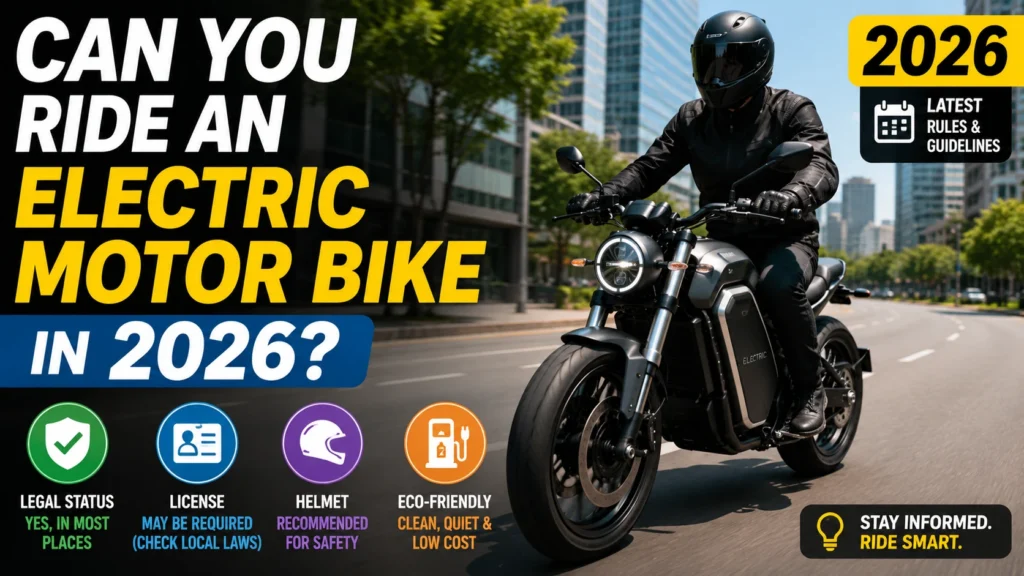
Can you ride an electric motor bike. In 2026, they are becoming a serious alternative to traditional gasoline bikes across the USA, Europe, Asia, and the Middle East.
Electric motor bikes offer instant torque, silent acceleration, lower maintenance, and zero tailpipe emissions. At the same time, they also bring new challenges such as battery range, charging infrastructure, riding adaptation, and regional licensing laws.
Whether you are a beginner commuter, experienced touring rider, or someone curious about switching from petrol motorcycles, this guide explains everything you need to know.
You will learn:
- How electric motorcycles work
- Legal requirements worldwide
- Real-world riding experience
- Safety and maintenance considerations
- Best riding conditions
- Ownership costs
- Pros and cons compared to gasoline motorcycles
By the end, you will know exactly whether an electric motor bike fits your riding lifestyle in 2026.
What Is an Electric Motor Bike?
An electric motor bike is a motorcycle powered by an electric motor and rechargeable battery instead of a traditional internal combustion engine.
Unlike small electric bicycles or scooters, many electric motorcycles are capable of:
- Highway speeds
- Long-distance commuting
- Sport riding
- Adventure touring
Popular electric motorcycle brands include:
- Zero Motorcycles
- Harley-Davidson
- Energica Motor Company
- BMW Motorrad
- Ultraviolette Automotive
These machines range from beginner-friendly urban commuters to high-performance superbikes capable of competing with premium gasoline motorcycles.
Can You Legally Ride an Electric Motor Bike
Yes, you can legally ride an electric motor bike in most countries — but licensing requirements depend on:
- Power output
- Top speed
- Vehicle classification
- Local traffic laws
Electric motorcycles are usually treated like traditional motorcycles under the law.
Electric Motorcycle License Rules by Region
| Region | License Needed | Notes |
| USA | Motorcycle endorsement | State laws vary |
| UK | CBT or full motorcycle license | Depends on power class |
| Europe | A1/A2/A license | EU categorization applies |
| India | Motorcycle license | Registration required |
| UAE | Motorcycle license | EV laws expanding rapidly |
| Pakistan | Motorcycle license | Provincial rules may vary |
USA Perspective
In the United States, electric motorcycles generally require:
- Registration
- Insurance
- Motorcycle endorsement
High-performance electric bikes like the Zero SR/F are legally treated the same as conventional motorcycles.
Some low-speed electric scooters may fall into different categories depending on state law.
European Market Perspective
Europe has become one of the strongest electric motorcycle markets because:
- Fuel prices are high
- Emission regulations are stricter
- Cities increasingly favor EV transport
Countries like:
- Norway
- Germany
- Netherlands
have heavily invested in EV charging infrastructure.
European riders benefit from:
- Lower urban operating costs
- Government incentives
- Access to low-emission zones
Asian Market Perspective
In Asia, electric motorcycles are rapidly growing because of:
- Dense traffic conditions
- High fuel sensitivity
- Daily commuter demand
Countries like:
- India
- China
- Indonesia
are seeing massive adoption of electric two-wheelers.
However, charging infrastructure quality still varies widely depending on urban vs rural areas.
How Does Riding an Electric Motor Bike Feel?
This is where electric motorcycles completely change the riding experience.
Instant Torque Changes Everything
Unlike petrol motorcycles, electric bikes deliver torque instantly.
That means:
- Faster acceleration from a stop
- Smooth throttle response
- No clutch slipping
- Strong urban performance
For beginners, this can feel surprisingly easy and confidence inspiring.
For experienced riders, it can feel brutally quick.
Some electric motorcycles accelerate faster than superbikes because electric motors deliver maximum torque immediately.
No Gear Shifting on Most Models
Most electric motorcycles use:
- Single-speed transmission
- Twist-and-go operation
This removes:
- Clutch management
- Gear shifting
- Engine stalling
For city commuting, this dramatically reduces rider fatigue.
However, traditional riders sometimes miss:
- Engine sound
- Manual shifting involvement
- Mechanical engagement
Real-World Riding Experience
City Riding
Electric motorcycles excel in urban conditions.
Advantages
- Silent operation
- Quick acceleration
- Easy maneuverability
- Lower heat generation
- Minimal vibration
Challenges
- Charging access in apartments
- Limited parking chargers
- Range anxiety during heavy use
In cities like:
- London
- Dubai
- New York City
electric motorcycles are increasingly practical for daily commuting.
Highway Riding
Highway riding is where electric motorcycles still face limitations.
What They Do Well
- Smooth acceleration
- High-speed stability
- Quiet cruising
- Strong overtaking power
Main Challenges
- Battery drains faster at highway speeds
- Charging stops require planning
- Cold weather reduces range
At sustained highway speeds above 110 km/h (68 mph), many electric motorcycles lose efficiency rapidly.
Premium models perform much better, but range remains a key consideration for touring riders.
Off-Road Riding
Electric off-road motorcycles are becoming extremely popular.
Benefits include:
- Lightweight design
- Precise throttle control
- No engine heat
- Quiet trail riding
Electric dirt bikes are especially useful for:
- Beginners
- Technical terrain
- Urban motocross parks
However, remote charging remains a major limitation for long wilderness rides.
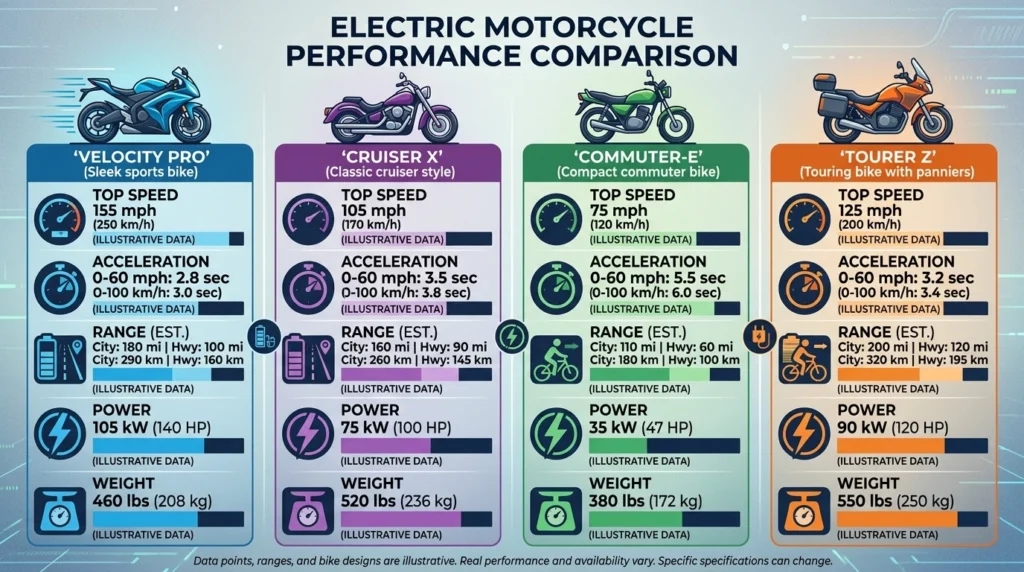
Electric Motorcycle Performance Comparison
| Feature | Electric Motor Bike | Gasoline Motorcycle |
| Acceleration | Instant torque | Delayed power curve |
| Noise | Nearly silent | Loud engine sound |
| Maintenance | Low | Higher |
| Fuel/Charging Cost | Lower | Higher |
| Range | Moderate | Long |
| Refueling Time | Slow charging | Fast fuel refill |
| Heat Generation | Minimal | High |
| Riding Complexity | Easy | Moderate |
| Environmental Impact | Lower emissions | Higher emissions |
Do Electric Motor Bikes Have Enough Range?
Range is still the Biggest concern for many riders.
Average Real-World Range
| Bike Type | Typical Range |
| Urban commuter | 80–150 km |
| Mid-range motorcycle | 150–250 km |
| Premium touring EV bike | 250–400 km |
Actual range depends on:
- Rider weight
- Speed
- Terrain
- Temperature
- Riding style
- Wind resistance
Climate-Based Performance Differences
Cold Weather Impact
Cold temperatures reduce battery efficiency significantly.
In countries like:
- Canada
- Sweden
winter riding can reduce range by 15–35%.
Hot Climate Performance
In hot regions like:
- Saudi Arabia
- United Arab Emirates
battery cooling systems become extremely important.
Modern electric motorcycles now use advanced thermal management systems to handle desert temperatures better than early-generation EV bikes.
Charging an Electric Motor Bike
Home Charging
Most owners charge at home overnight.
Advantages:
- Convenient
- Cheap electricity rates
- No fuel station visits
This is ideal for commuters.
Public Charging
Public charging infrastructure varies dramatically worldwide.
Strong EV Infrastructure Regions
- Europe
- California
- China
- UAE major cities
Developing Infrastructure Regions
- South Asia
- Africa
- Rural North America
Long-distance riders must plan routes carefully around charging availability.
Maintenance & Long-Term Reliability
One of the strongest advantages of electric motorcycles is reduced maintenance.
What You Don’t Need
Electric bikes eliminate:
- Oil changes
- Spark plugs
- Air filters
- Clutch repairs
- Exhaust systems
- Engine tuning
This significantly lowers long-term ownership costs.
Typical Maintenance Requirements
| Maintenance Item | Frequency |
| Tires | Regular |
| Brake pads | Regular |
| Coolant (if liquid cooled) | Occasional |
| Battery health checks | Annual |
| Software updates | Periodic |
| Suspension servicing | Normal intervals |
Battery Lifespan
Modern electric motorcycle batteries typically last:
- 8–15 years
- 100,000+ km in many cases
Battery degradation happens gradually rather than suddenly.
Most riders notice:
- Slightly reduced range over time
- Stable overall performance
Best Riding Conditions for Electric Motor Bikes
| Riding Condition | Performance Rating |
| Urban commuting | Excellent |
| Stop-and-go traffic | Excellent |
| Short highway trips | Very Good |
| Long touring | Moderate |
| Off-road trails | Good |
| Extreme cold weather | Moderate |
| Desert heat | Good with cooling systems |
Best Electric Motorcycles in 2026
1. Zero SR/F
Best For
Premium urban and highway riding
Strengths
- Excellent torque
- Advanced electronics
- Strong build quality
Weaknesses
- Expensive
- Charging network dependency
Harley-Davidson Live Wire
Best For
Performance-focused riders
Strengths
- Incredible acceleration
- Premium design
- Strong technology package
Weaknesses
- Limited touring practicality
- High ownership cost
Energica Experia
Best For
Electric touring
Strengths
- Long range
- Fast charging
- Comfortable ergonomics
Weaknesses
- Heavy weight
- Premium pricing
Ultraviolette F77
Best For
Asian urban markets
Strengths
- Aggressive styling
- Good commuter range
- Competitive pricing
Weaknesses
- Limited global service network
Pros and Cons of Riding an Electric Motor Bike
Pros
- Instant acceleration
- Lower maintenance costs
- Quiet operation
- Eco-friendly Transportation
- Easy for beginners
- Reduced fuel expenses
- Advanced technology features
Cons
- Limited charging infrastructure in some regions
- Higher upfront price
- Charging takes time
- Reduced range at high speeds
- Battery replacement costs
- Limited long-distance touring practicality
Electric Motorcycle Ownership Cost Analysis
Initial Purchase Price
Electric motorcycles often cost more upfront because batteries are expensive.
However:
- Fuel savings
- Reduced maintenance
- Government incentives
can offset costs over time.
Five-Year Ownership Comparison
| Expense | Electric Motorcycle | Gasoline Motorcycle |
| Fuel/Energy | Lower | Higher |
| Maintenance | Lower | Higher |
| Engine Repairs | Minimal | Moderate to High |
| Battery Replacement | Possible long-term cost | N/A |
| Insurance | Similar | Similar |
Beginner vs Expert Rider Perspective
Beginners
Electric motorcycles are easier to learn because:
- No clutch
- No shifting
- Smooth throttle control
They reduce mental workload significantly.
Experienced Riders
Experienced riders appreciate:
- Brutal acceleration
- Precision throttle response
- Advanced electronics
But some miss:
- Exhaust sound
- Mechanical feel
- Manual gearbox engagement
Electric Motorcycle Use Cases
Best for City Commuters
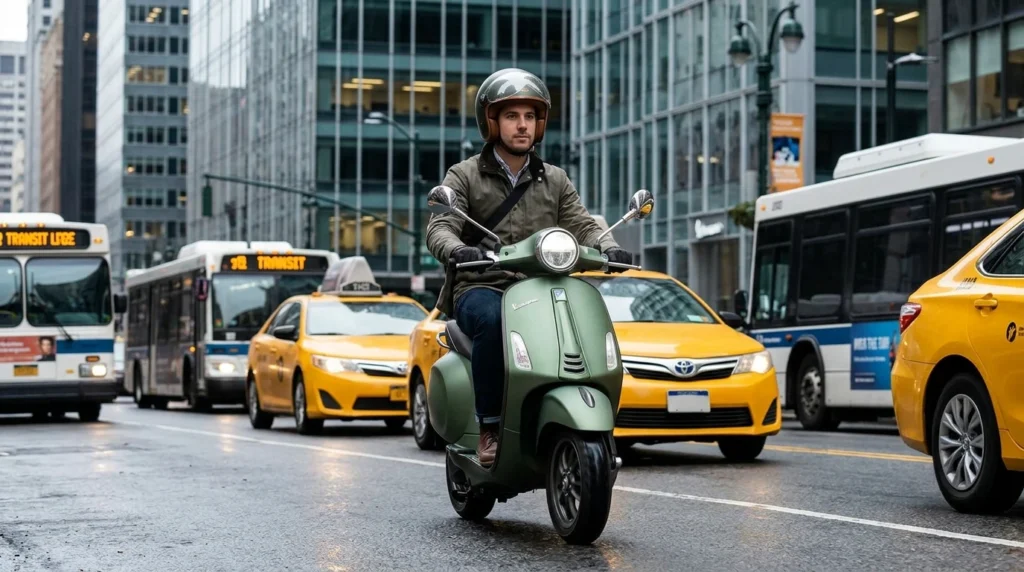
Electric motorcycles are ideal for:
- Daily office commutes
- Urban traffic
- Short-distance errands
Best for Technology Enthusiasts
Riders who love:
- Smartphone integration
- Smart diagnostics
- Cutting-edge design
often prefer electric motorcycles.
Less Ideal for Remote Touring
Rural Touring riders may still prefer gasoline motorcycles because:
- Fuel stations are easier to find
- Refueling is faster
- Remote charging can be difficult
Global Market Trends in 2026
USA
The American market is growing rapidly due to:
- California EV policies
- Rising fuel costs
- Urban commuter demand
Adventure and touring EV bikes remain niche but expanding.
Europe
Europe leads in:
- EV incentives
- Charging infrastructure
- Urban adoption
Electric motorcycles are becoming mainstream in major cities.
Asia
Asia dominates affordable electric two-wheelers.
Countries like India and China are driving massive production growth.
Price-sensitive commuters are fueling rapid adoption.
Middle East
The Middle East is increasingly investing in EV infrastructure.
High-performance electric motorcycles are gaining popularity in premium urban markets like:
- Dubai
- Riyadh
People Also Ask
Is riding an electric motorcycle harder than a normal bike?
No. In many ways, electric motorcycles are easier to ride because they usually do not require clutch control or gear shifting. Beginners often adapt very quickly.
Can electric motorcycles go on highways?
Yes, many modern electric motorcycles are fully highway capable. Premium models can comfortably cruise at highway speeds, although range decreases faster during high-speed riding.
How long does it take to charge an electric motorcycle?
Charging time depends on battery size and charger type. Home charging may take several hours, while fast chargers can significantly reduce charging time.
Are electric motorcycles good for daily commuting?
Absolutely. Electric motorcycles are excellent commuter machines because they are quiet, cheap to operate, easy in traffic, and require less maintenance than petrol bikes.
Do electric motorcycles work well in rain?
Yes. Modern electric motorcycles are designed with waterproof electrical systems and safety protections. Riders still need proper tires and safe riding habits during wet weather.
Final Expert Verdict
Yes — and for many riders in 2026, Electric Motorcycles are becoming one of the smartest transportation choices available.
They offer:
- Instant performance
- Lower maintenance
- Easier city riding
- Modern technology
- Reduced operating costs
For commuters, urban riders, and technology-focused motorcyclists, electric bikes already make excellent real-world sense.
However, riders who regularly travel long remote distances may still prefer traditional gasoline motorcycles due to faster refueling and wider infrastructure support.
The best electric motorcycles today are no longer experimental machines. They are practical, fast, refined, and increasingly reliable across global markets.
