
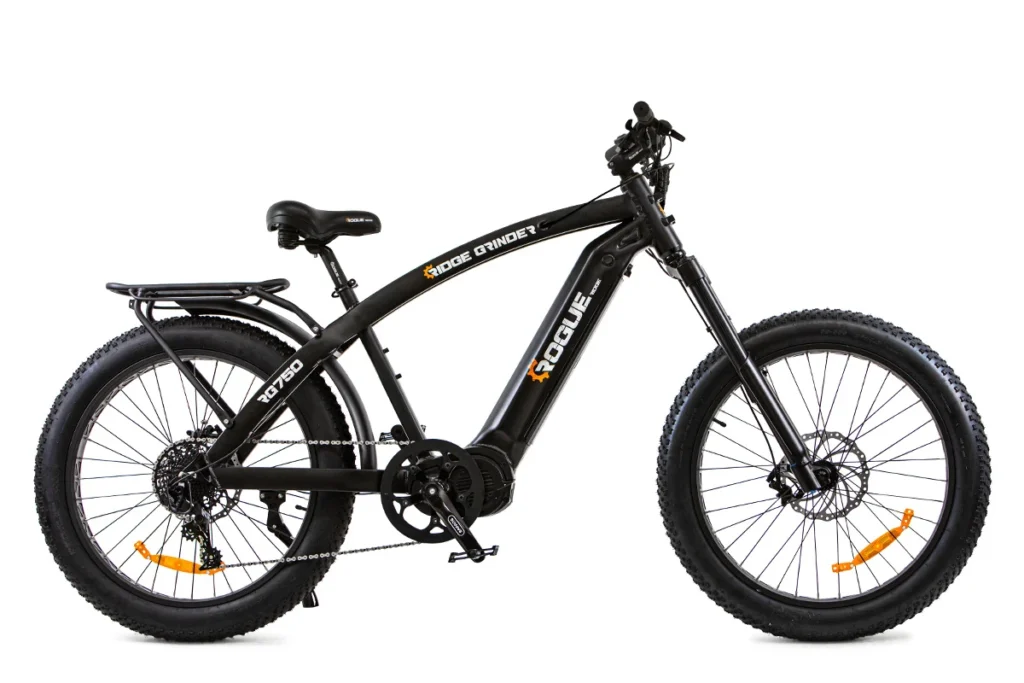
Introduction
Electric bikes have transformed personal transportation across Europe, North America, Asia, and many other regions of the world. Among the various motor power options available today, the 750 watt electric bike has emerged as one of the most popular choices for riders who want the perfect balance of power, speed, efficiency, and versatility.
Whether you’re commuting through city streets, climbing steep hills, exploring countryside trails, or carrying cargo, a 750W electric bike offers enough power to handle demanding riding conditions without stepping into the territory of oversized, high-maintenance motors.
Many first-time buyers often ask questions such as: How fast can a 750 watt electric bike go? Is 750 watts enough? How far can it travel on a single charge? Is it legal in my country?
This comprehensive guide answers all those questions and more. We’ll explore performance, battery range, hill-climbing ability, legal regulations, maintenance, and buying considerations to help you make an informed decision.
If you’re considering purchasing a powerful electric bicycle in 2026, this guide will help you understand whether a 750W eBike is the right choice for your needs.
What Is a 750 Watt Electric Bike?
A 750 watt electric bike is an eBike equipped with an electric motor capable of producing up to 750 watts of continuous power.
In simple terms, wattage indicates the motor’s power output. The higher the wattage, the more assistance the motor can provide when accelerating, climbing hills, or carrying heavier loads.
A 750W motor sits in the sweet spot between moderate-power commuter bikes and high-performance electric bicycles.
Typical Features of a 750W Electric Bike
- Powerful electric motor
- Pedal-assist system (PAS)
- Optional throttle control
- Larger battery capacities
- Enhanced hill-climbing performance
- Suitable for heavier riders
- Better cargo-carrying capability
These bikes are commonly found in:
- Commuter eBikes
- Fat tire electric bikes
- Cargo eBikes
- Adventure eBikes
- Hunting electric bikes
- Off-road electric bicycles
Why 750 Watt Electric Bikes Are So Popular
The popularity of 750W electric bikes comes from their ability to balance power and efficiency.
Compared with lower-powered options, they provide:
- Faster acceleration
- Better climbing capability
- Improved carrying capacity
- More versatility across terrain
At the same time, they remain more affordable and efficient than many 1000W or 1500W alternatives.
For most riders, 750 watts delivers all the performance they’ll realistically need.
How Fast Does a 750 Watt Electric Bike Go?
Speed is one of the most searched topics related to 750 watt electric bikes.
The actual top speed depends on several factors:
- Rider weight
- Battery voltage
- Terrain
- Tire type
- Wind resistance
- Controller settings
Typical Speed Range
| Riding Mode | Average Speed |
| Pedal Assist | 20–28 mph (32–45 km/h) |
| Throttle Only | 20–25 mph (32–40 km/h) |
| Downhill | 30+ mph (48+ km/h) |
Real-World Example
A rider weighing 80 kg on a flat road with a fully charged 48V battery can comfortably maintain speeds between 24 and 28 mph using pedal assist.
For urban commuting, this speed range is more than sufficient and often faster than traffic during peak hours.
How Far Can a 750 Watt Electric Bike Travel?
Range is influenced more by battery capacity than motor power alone.
A larger battery allows the motor to operate longer before needing a recharge.
Average Range Expectations
| Battery Capacity | Estimated Range |
| 480Wh | 25–40 miles |
| 624Wh | 35–55 miles |
| 720Wh | 40–65 miles |
| 960Wh | 60–90 miles |
Factors Affecting Range
Rider Weight
Heavier riders require more motor assistance.
Terrain
Steep hills consume more energy.
Weather
Cold temperatures can reduce battery performance.
Tire Pressure
Underinflated tires increase rolling resistance.
Riding Style
Aggressive throttle use drains batteries faster.
Most modern 750W electric bikes offer a practical range of 40–70 miles per charge.
Is 750 Watts Enough for an Electric Bike?
For the vast majority of riders, yes.
A 750W motor provides enough power for:
- Daily commuting
- Recreational riding
- Weekend adventures
- Moderate off-road trails
- Cargo transportation
For Commuters
A 750W eBike easily handles city streets, traffic lights, and moderate inclines.
For Heavy Riders
Riders weighing over 100 kg benefit from the extra torque.
For Cargo Hauling
Carrying groceries, work equipment, or delivery items becomes significantly easier.
For Off-Road Use
A 750W motor offers excellent trail performance when paired with quality suspension and tires.
750W vs 500W Electric Bike
Many buyers compare these two power levels before making a purchase.
Comparison Table
| Feature | 500W eBike | 750W eBike |
| Speed | Moderate | Faster |
| Hill Climbing | Good | Excellent |
| Acceleration | Average | Strong |
| Cargo Capability | Moderate | Better |
| Price | Lower | Slightly Higher |
| Versatility | Good | Excellent |
500W Electric Bike Pros
- More affordable
- Longer battery life
- Lightweight
500W Electric Bike Cons
- Slower acceleration
- Limited hill-climbing power
750W Electric Bike Pros
- More torque
- Better performance
- Greater versatility
750W Electric Bike Cons
- Slightly higher cost
- Increased battery consumption
For most adults seeking long-term satisfaction, the 750W option provides greater flexibility.
750W vs 1000W Electric Bike
Another common comparison is between 750W and 1000W motors.
| Feature | 750W | 1000W |
| Efficiency | Excellent | Good |
| Speed | Fast | Very Fast |
| Battery Usage | Moderate | Higher |
| Cost | Lower | Higher |
| Legal Compliance | Easier | Restricted in Some Areas |
A 1000W motor delivers more raw power but often sacrifices efficiency and legal accessibility.
For everyday riding, 750 watts remains the practical choice.
Can a 750 Watt Electric Bike Climb Hills?
Yes, and this is one of its greatest strengths.
Hill-Climbing Performance
A quality 750W motor can handle:
- Urban inclines
- Rural roads
- Mountain trails
- Gravel paths
The motor’s torque output plays a major role.
Many premium 750W motors generate between 70 and 95 Nm of torque, making steep climbs significantly easier.
Best Terrain for a 750W eBike
- City roads
- Country lanes
- Forest trails
- Mountain foothills
- Gravel routes
Hub Motor vs Mid-Drive Motor
Motor placement dramatically affects riding characteristics.
Hub Motor
Located inside the wheel hub.
Advantages
- Lower cost
- Simpler maintenance
- Reliable performance
Disadvantages
- Less efficient on steep hills
- Heavier wheel weight
Mid-Drive Motor
Located near the crankset.
Advantages
- Better weight distribution
- Superior climbing ability
- More efficient power transfer
Disadvantages
- Higher price
- Increased maintenance
For riders tackling hills regularly, mid-drive systems often provide the best experience.
Who Should Buy a 750 Watt Electric Bike?
Urban Commuters
Ideal for replacing short car trips and public transport.
Adventure Riders
Excellent for exploring mixed terrain.
Heavy Riders
Provides stronger acceleration and climbing power.
Delivery Workers
Offers reliable cargo-carrying capability.
Recreational Cyclists
Makes longer rides enjoyable and less physically demanding.
What Battery Size Is Best for a 750W Electric Bike?
Battery size determines how far you can ride.
Recommended Battery Sizes
| Riding Style | Recommended Battery |
| City Commute | 500–600Wh |
| Daily Mixed Use | 600–750Wh |
| Long-Distance Touring | 750–1000Wh |
| Cargo Use | 800Wh+ |
Most experts recommend a minimum 600Wh battery for a 750W motor.
How Much Does a Good 750 Watt Electric Bike Cost?
Prices vary significantly depending on brand, battery quality, and features.
Typical Price Range
| Category | Average Price |
| Entry-Level | $900–$1,500 |
| Mid-Range | $1,500–$2,500 |
| Premium | $2,500–$5,000+ |
What Affects Pricing?
- Battery size
- Motor quality
- Frame materials
- Suspension
- Braking systems
- Smart features
Investing in a reputable brand usually leads to better long-term reliability.
Are 750 Watt Electric Bikes Legal?
Regulations differ across countries.
United States
Many states permit 750W electric bikes under Class 2 and Class 3 regulations.
Canada
Regulations vary by province, but many allow 500W maximum power.
Europe
Most countries limit electric bicycles to 250W continuous power for public-road use.
Australia
Power limits generally remain lower than 750W.
Important Tip
Always verify local laws before purchasing or riding a high-powered electric bike.
How to Choose the Best 750 Watt Electric Bike
Motor Type
Choose between hub and mid-drive systems based on terrain.
Battery Capacity
Prioritize range requirements.
Suspension
Important for comfort and off-road performance.
Brakes
Hydraulic disc brakes provide superior stopping power.
Frame Design
Select a frame that suits your riding style and body type.
Tire Selection
Fat tires offer improved traction, while narrower tires improve efficiency.
Maintenance Tips for a 750W Electric Bike
Regular maintenance improves performance and lifespan.
Battery Care
- Avoid complete discharge
- Store at moderate temperatures
- Use manufacturer-approved chargers
Tire Maintenance
- Check pressure weekly
- Replace worn tires promptly
Brake Inspection
- Inspect pads regularly
- Replace worn components immediately
Drivetrain Care
- Clean chain frequently
- Lubricate moving parts
Software Updates
Many modern eBikes receive firmware improvements that enhance efficiency and performance.
Common Mistakes Buyers Make
Choosing Based Only on Speed
Speed matters, but battery quality often matters more.
Ignoring Range Requirements
Always calculate realistic daily riding distances.
Buying the Cheapest Option
Low-cost models may use lower-quality batteries and components.
Overlooking Local Regulations
Legal restrictions vary considerably.
Neglecting Comfort
Seat design, handlebar position, and suspension affect long-term enjoyment.
Pros and Cons of a 750 Watt Electric Bike
Pros
- Excellent power-to-efficiency ratio
- Strong hill-climbing capability
- Suitable for heavy riders
- Great acceleration
- Versatile for multiple riding styles
- Wide model availability
- Good cargo-carrying performance
Cons
- Higher cost than 250W or 500W models
- Faster battery consumption
- May face legal restrictions in some regions
- Heavier than lower-powered eBikes
FAQs
How fast can a 750 watt electric bike go?
Most models achieve between 20 and 28 mph, depending on regulations and settings.
Is a 750W electric bike powerful enough?
Yes. It provides sufficient power for commuting, recreation, hills, and cargo hauling.
How far can a 750W eBike travel?
Most riders achieve 40–70 miles per charge, depending on battery size and riding conditions.
Can a 750W electric bike climb steep hills?
Absolutely. Many models are specifically designed for hill climbing.
Is a 750W motor better than 500W?
For performance-focused riders, yes. It offers greater torque and acceleration.
Are 750W electric bikes legal in Europe?
Most European public-road regulations limit eBikes to 250W, making many 750W models unsuitable for standard road use.
How long does a 750W battery last?
Most lithium-ion batteries last between 500 and 1,000 charging cycles.
What is the best battery size for a 750W electric bike?
A battery between 600Wh and 750Wh provides an excellent balance of range and affordability.
Final Verdict
A 750 watt electric bike represents the sweet spot between performance, efficiency, and versatility. It offers enough power for commuting, cargo hauling, hill climbing, and recreational riding while remaining more practical and affordable than larger 1000W+ systems.
For Riders seeking a capable all-round electric bicycle in 2026, a well-built 750W eBike is often the smartest investment. By choosing the right motor type, battery size, and frame design, you can enjoy years of reliable, efficient, and enjoyable riding.
Whether you’re a daily commuter, weekend explorer, delivery rider, or cycling enthusiast, a 750 watt electric bike delivers the performance needed for modern transportation without compromising practicality.
