
Introduction
The Electric dirt bike market has evolved at an astonishing pace over the last few years. What was once considered a niche alternative to traditional gas-powered motocross and trail bikes has now become one of the fastest-growing segments in the powersports industry. Modern electric dirt bikes are no longer limited by slow speeds, short battery life, or underwhelming performance. Today’s leading models can rival—and in some cases outperform—many gasoline-powered competitors in acceleration, torque delivery, and top speed.
For riders seeking adrenaline-filled off-road adventures, one question consistently stands out: What is the fastest electric dirt bike available today? Whether you’re an experienced motocross rider, trail enthusiast, competitive racer, or simply someone fascinated by cutting-edge electric vehicle technology, understanding which electric dirt bike offers the highest speed and best performance is essential before making a purchase.
This comprehensive guide explores the fastest electric dirt bikes currently available, compares their specifications, examines the factors that influence speed, and helps you determine which model best suits your riding needs. You’ll also learn about battery technology, motor performance, maintenance requirements, safety considerations, and future trends shaping the next generation of high-speed electric dirt bikes.
By the end of this guide, you’ll have a complete understanding of the world’s fastest electric dirt bikes and the key features that separate elite performers from average models.
Why Electric Dirt Bikes Are Becoming Faster Than Ever
Electric dirt bikes have benefited from rapid advancements in battery technology, motor efficiency, power electronics, and lightweight materials.
Several factors contribute to their growing performance:
- Instant torque delivery
- Lightweight chassis construction
- Advanced battery management systems
- High-output electric motors
- Improved cooling systems
- Smart riding modes
- Enhanced traction control technologies
Unlike traditional combustion engines that require time to build power through the RPM range, electric motors deliver maximum torque instantly. This immediate power delivery often makes electric dirt bikes feel significantly quicker than similarly powered gasoline motorcycles.
As manufacturers continue investing in research and development, the speed gap between electric and gasoline dirt bikes continues to narrow.
What Determines the Speed of an Electric Dirt Bike?
Many riders focus exclusively on top speed. However, several technical factors determine how fast an electric dirt bike can actually go.
Motor Power
Motor output is usually measured in kilowatts (kW).
Generally:
| Motor Power | Performance Category |
| Under 5 kW | Entry-Level |
| 5–15 kW | Recreational |
| 15–30 kW | Performance |
| 30–50 kW | High Performance |
| 50+ kW | Extreme Performance |
Higher power output generally translates into stronger acceleration and higher top speeds.
Battery Voltage
Voltage plays a major role in performance.
Common battery systems include:
- 48V
- 60V
- 72V
- 96V
- 400V+ racing systems
Higher voltage systems can supply power more efficiently, allowing the bike to sustain high speeds.
Weight
Lighter bikes accelerate faster.
Manufacturers increasingly use:
- Aluminum frames
- Composite materials
- Lightweight battery casings
- Advanced alloys
Reducing weight improves both speed and handling.
Aerodynamics
Although dirt bikes are not designed primarily for aerodynamic efficiency, rider position, fairings, and frame design still influence top-speed performance.
Terrain Conditions
A bike capable of 70 mph on a flat road may achieve significantly less speed on loose dirt, mud, sand, or steep hills.
Fastest Electric Dirt Bikes Compared
The following models represent some of the fastest and most capable electric dirt bikes available globally.
Comparison Table: Fastest Electric Dirt Bikes
| Model | Top Speed | Peak Power | Range | Weight | Approximate Price |
| Stark VARG Alpha | 80+ mph | 80 hp | Up to 6 hours trail riding | 118 kg | Premium |
| KTM Freeride E-XC | 59 mph | 24 hp | 2–3 hours | 111 kg | Premium |
| Sur-Ron Ultra Bee | 56 mph | 12.5 kW | 87 miles | 85 kg | Mid-range |
| Talaria Sting R MX4 | 53 mph | 8 kW | 75 miles | 66 kg | Mid-range |
| Electric Motion Escape XR | 47 mph | 12 kW | 38–60 miles | 79 kg | Premium |
| Cake Kalk OR Race | 56 mph | 15 kW | 3 hours | 79 kg | Premium |
1. Stark VARG Alpha – The Current King of Electric Dirt Bike Speed
Overview
The Stark VARG Alpha has transformed the electric motocross industry and is widely regarded as the fastest electric dirt bike currently available.
Developed by Stark Future, this revolutionary machine combines race-winning performance with advanced electric technology.
Key Specifications
| Specification | Value |
| Peak Power | Up to 80 hp |
| Top Speed | 80+ mph |
| Battery Capacity | 6 kWh |
| Weight | 118 kg |
| Riding Modes | Multiple Custom Profiles |
Why It Is So Fast
The VARG Alpha produces power levels comparable to a 450cc motocross motorcycle while maintaining excellent weight distribution.
Major advantages include:
- Massive torque output
- Race-grade suspension
- Lightweight chassis
- Smartphone-controlled tuning
- Near-instant acceleration
Best For
- Professional motocross riders
- Competitive racers
- High-performance enthusiasts
- Experienced off-road riders
Pros
- Industry-leading acceleration
- Extremely powerful motor
- Advanced customization
- Excellent suspension
Cons
- Premium pricing
- Limited dealer network in some regions
2. KTM Freeride E-XC
Overview
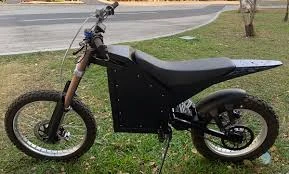
KTM is one of the most respected names in off-road motorcycling, and the Freeride E-XC demonstrates the company’s commitment to electric mobility.
The bike combines traditional KTM handling characteristics with electric power.
Key Features
- Lightweight frame
- Regenerative braking
- High-quality suspension
- Quiet operation
- Strong low-end torque
Performance
The Freeride E-XC delivers impressive acceleration and reaches speeds approaching 60 mph, making it one of the fastest production electric dirt bikes from a major manufacturer.
Pros
- Trusted KTM engineering
- Excellent build quality
- Reliable battery system
- Beginner-friendly handling
Cons
- Expensive compared to some rivals
- Limited range for aggressive riding
3. Sur-Ron Ultra Bee
Why It Has Become So Popular
The Sur-Ron Ultra Bee has gained a strong reputation among riders looking for a balance between affordability and performance.
Its combination of speed, lightweight design, and versatility makes it one of the most discussed electric dirt bikes worldwide.
Highlights
- 56 mph top speed
- Lightweight chassis
- Excellent trail performance
- Competitive pricing
- Strong aftermarket support
Best Use Cases
- Trail riding
- Weekend adventures
- Mixed off-road terrain
- Recreational racing
Pros
- Outstanding value
- Easy to modify
- Lightweight and agile
Cons
- Not as powerful as flagship models
- Suspension upgrades may be desired by advanced riders
4. Talaria Sting R MX4
The Talaria Sting R MX4 has become one of the strongest competitors to Sur-Ron products.
Its improved controller, enhanced battery system, and higher power output help it achieve impressive speeds while maintaining excellent reliability.
Key Advantages
- Strong acceleration
- Excellent battery efficiency
- Lightweight design
- Competitive price point
- Growing global popularity
Pros
- Great value for money
- Easy maintenance
- Strong aftermarket ecosystem
Cons
- Less powerful than elite racing models
- Range varies significantly under aggressive riding
5. Electric Motion Escape XR
Electric Motion focuses on technical off-road riding and trials-inspired performance.
The Escape XR combines speed with exceptional control and precision.
Notable Features
- Regenerative braking
- Lightweight frame
- Advanced traction control
- Excellent low-speed handling
- High-quality suspension
For riders who value technical terrain capability alongside speed, the Escape XR is a compelling option.
Conclusion
The search for the fastest electric dirt bike ultimately depends on your riding goals, budget, and performance expectations. While the Stark VARG Alpha currently stands at the top of the market with its incredible power output, race-ready capabilities, and top speed exceeding 80 mph, other models such as the Sur-Ron Ultra Bee, Talaria Sting R MX4, and KTM Freeride E-XC offer excellent alternatives for trail riders, recreational enthusiasts, and riders seeking a balance between speed, range, and affordability.
Electric dirt bikes have evolved far beyond their early limitations. Modern battery technology, instant torque delivery, advanced electronics, and lightweight chassis designs have enabled electric models to compete directly with traditional gasoline-powered dirt bikes. In many riding Situations, electric dirt bikes even provide superior acceleration and a more controllable riding experience.
(FAQs
1. What is the fastest electric dirt bike available today?
The Stark VARG Alpha is widely considered the fastest production electric dirt bike currently available. It produces up to 80 horsepower and can exceed 80 mph (129 km/h), making it one of the most powerful electric off-road motorcycles on the market.
2. Are electric dirt bikes faster than gas-powered dirt bikes?
Many high-performance electric dirt bikes can match or outperform gas-powered dirt bikes in acceleration due to their instant torque delivery. However, top-speed comparisons depend on the specific models being compared.
3. How far can a fast electric dirt bike travel on a single charge?
Range varies significantly depending on the bike, riding conditions, terrain, and speed. Most modern electric dirt bikes offer between 40 and 90 miles (64–145 km) of riding range, while some premium models can provide several hours of trail riding.
4. How long does it take to charge an electric dirt bike?
Charging times typically range from 2 to 8 hours, depending on battery size and charger type. Fast-charging systems can reduce charging times considerably on compatible models.
5. Are electric dirt bikes worth buying in 2026?
Yes. Electric dirt bikes offer low maintenance costs, quiet operation, instant power delivery, environmentally friendly performance, and increasingly competitive speed and range. They are an excellent choice for many modern off-road riders, especially those looking for cutting-edge technology and reduced operating costs.
