
Introduction
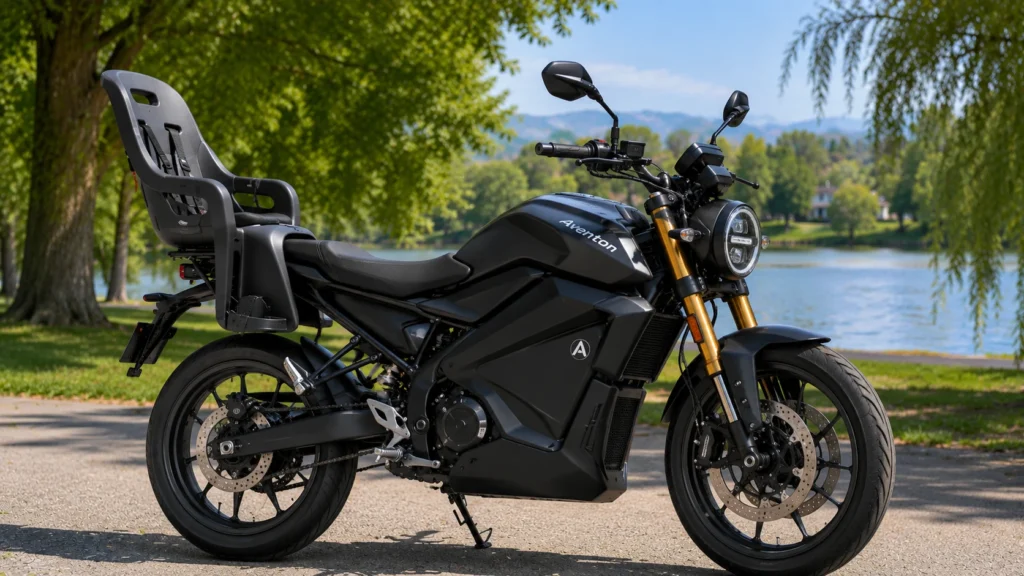
The motorcycle industry is experiencing one of the biggest transformations in its history, and electric motorbikes are leading the revolution. As governments worldwide push for cleaner transportation and riders seek more efficient, cost-effective alternatives to traditional motorcycles, electric motorcycles are becoming increasingly popular across Europe, North America, Asia, Australia, and emerging markets.
Unlike conventional petrol-powered bikes, Electric motorbikes deliver instant torque, quieter rides, lower operating costs, and zero tailpipe emissions. Modern electric motorcycles are no longer limited to short urban commutes. Many now offer impressive performance, long-range capabilities, advanced rider-assistance technologies, and charging solutions that make them practical for everyday use.
Whether you are a beginner looking for your first motorcycle, a commuter searching for lower running costs, or an enthusiast interested in cutting-edge technology, understanding how electric motorbikes work is essential before making a purchase.
In this comprehensive guide, we will explore everything you need to know about electric motorbikes, including their technology, advantages, disadvantages, costs, maintenance requirements, charging methods, performance capabilities, and future developments. By the end of this article, you’ll have all the information needed to decide whether an electric motorbike is the right choice for you.
What Is an Electric Motorbike?
An electric motorbike is a motorcycle powered by electricity rather than a gasoline or diesel engine. Instead of burning fuel to generate power, an electric motorcycle uses a rechargeable battery pack and an electric motor to drive the rear wheel.
Electric motorbikes can range from lightweight urban commuters to high-performance superbikes capable of competing with some of the fastest petrol motorcycles in the world.
Key Components of an Electric Motorbike
- Electric Motor
- Battery Pack
- Motor Controller
- Charging System
- Regenerative Braking System
- Battery Management System (BMS)
Together, these components create a highly efficient transportation system that requires fewer moving parts and less maintenance than traditional motorcycles.
How Does an Electric Motorbike Work?
Understanding the basic operation of an electric motorbike helps riders appreciate its efficiency and simplicity.
1. Battery Stores Energy
The battery pack acts as the motorcycle’s fuel tank. Most modern electric motorbikes use lithium-ion battery technology because of its high energy density and long lifespan.
2. Controller Regulates Power
When the rider twists the throttle, the controller determines how much electrical power should be sent to the motor.
3. Electric Motor Produces Motion
The motor converts electrical energy into mechanical energy, which rotates the wheel and propels the motorcycle forward.
4. Regenerative Braking Recovers Energy
Many electric motorcycles use regenerative braking systems that convert braking energy back into stored electricity, improving efficiency and range.
Electric Motorbike vs Petrol Motorcycle
One of the biggest questions buyers ask is whether they should choose an electric motorbike or a traditional petrol motorcycle.
Comparison Table
| Feature | Electric Motorbike | Petrol Motorcycle |
| Fuel Cost | Very Low | High |
| Maintenance | Low | Moderate to High |
| Emissions | Zero Tailpipe Emissions | Produces Emissions |
| Noise Level | Quiet | Loud |
| Torque Delivery | Instant | Gradual |
| Charging/Fueling Time | 30 min – 8 hrs | 2-5 minutes |
| Moving Parts | Few | Many |
| Running Cost | Lower | Higher |
| Engine Heat | Minimal | High |
| Environmental Impact | Lower | Higher |
Performance Comparison
Electric motorcycles deliver instant torque from zero RPM, resulting in rapid acceleration. Many riders find electric bikes feel faster during city riding because power is available immediately.
Maintenance Comparison
Traditional motorcycles require:
- Oil changes
- Air filter replacements
- Spark plug servicing
- Clutch maintenance
- Exhaust system repairs
Electric motorbikes eliminate many of these requirements.
Environmental Impact
Electric motorcycles contribute significantly less local pollution and can help reduce carbon emissions when charged using renewable energy sources.
Types of Electric Motorbikes
Commuter Electric Motorbikes
Designed for daily transportation and city riding.
Examples:
- NIU RQi
- Super Soco TC Max
Best For:
- Urban commuters
- Students
- First-time riders
Sport Electric Motorcycles
High-performance electric bikes built for speed and excitement.
Examples:
- Energica Ego
- LiveWire One
Best For:
- Performance enthusiasts
- Weekend riders
Cruiser Electric Motorbikes
Focus on comfort and relaxed riding positions.
Examples:
- LiveWire S2 Del Mar
Best For:
- Long-distance comfort
Adventure Electric Motorcycles
Built for mixed terrain and longer journeys.
Examples:
- Zero DSR/X
Best For:
- Adventure touring
- Off-road exploration
Off-Road Electric Bikes
Designed for dirt trails and rugged terrain.
Examples:
- Stark VARG
- KTM Electric Concepts
Best For:
- Motocross
- Trail riding
Key Features to Consider Before Buying an Electric Motorbike
Battery Capacity
Battery capacity determines how much energy the bike can store.
Typical capacities:
| Segment | Battery Size |
| Entry-Level | 3-7 kWh |
| Mid-Range | 8-15 kWh |
| Premium | 15-22+ kWh |
Real-World Range
Range depends on:
- Rider weight
- Speed
- Terrain
- Weather conditions
- Riding style
Charging Speed
Modern electric motorcycles support:
- Home charging
- Level 2 charging
- DC fast charging
Top Speed
Electric motorcycles range from:
- Urban Models: 45-100 km/h
- Mid-Range Models: 120-160 km/h
- Premium Models: 200+ km/h
Safety Technology
Important features include:
- ABS
- Traction Control
- Cornering ABS
- Ride Modes
- Stability Control
Electric Motorbike Battery Technology Explained
The battery is the most important and expensive component of an electric motorcycle.
Lithium-Ion Batteries
Advantages:
- Lightweight
- High energy density
- Fast charging
- Long lifespan
Battery Lifespan
Most electric motorcycle batteries last:
- 8 to 15 years
- 1,000 to 3,000 charging cycles
Battery Degradation
Factors affecting degradation:
- Extreme temperatures
- Frequent fast charging
- Deep discharges
Battery Warranty
Most manufacturers offer:
- 5-8 years warranty
- Capacity retention guarantees
Electric Motorbike Charging Explained
Home Charging
The most common charging method.
Advantages:
- Convenient
- Affordable
- Easy installation
Public Charging
Available in many cities and highways worldwide.
Fast Charging
Premium electric motorcycles can reach:
- 80% charge in 30-45 minutes
Charging Cost Comparison
| Vehicle Type | Average Cost per 100 km |
| Electric Motorbike | €1 – €3 |
| Petrol Motorcycle | €6 – €12 |
Real-World Electric Motorbike Range
Manufacturers often advertise ideal conditions.
Typical Range Estimates
| Category | Real-World Range |
| Urban Scooter | 60-120 km |
| Mid-Range Bike | 120-220 km |
| Premium Motorcycle | 200-400 km |
Factors Affecting Range
- Riding speed
- Wind resistance
- Passenger load
- Tire pressure
- Ambient temperature
Electric Motorbike Maintenance Costs
One of the biggest benefits of electric motorcycles is reduced maintenance.
Typical Maintenance Tasks
- Brake inspections
- Tire replacement
- Suspension servicing
- Software updates
Maintenance Cost Comparison
| Category | Electric | Petrol |
| Annual Service | Low | Moderate |
| Oil Changes | None | Required |
| Spark Plugs | None | Required |
| Engine Repairs | Rare | Possible |
Cost of Ownership: Is an Electric Motorbike Worth It?
Initial Purchase Price
Electric motorcycles often cost more upfront due to battery technology.
Long-Term Savings
Savings come from:
- Lower energy costs
- Reduced maintenance
- Fewer mechanical failures
Ownership Cost Breakdown
| Expense | Electric Motorbike | Petrol Motorcycle |
| Fuel/Energy | Low | High |
| Maintenance | Low | Medium |
| Repairs | Low | Medium |
| Insurance | Similar | Similar |
Benefits of Riding an Electric Motorbike
1. Lower Running Costs
Electricity is generally cheaper than petrol.
2. Instant Torque
Quick acceleration improves riding enjoyment.
3. Quiet Operation
Reduces noise pollution.
4. Fewer Maintenance Requirements
No engine oil or spark plugs.
5. Environmentally Friendly
Produces no tailpipe emissions.
6. Advanced Technology
Most modern electric motorcycles feature:
- Smartphone integration
- Ride analytics
- Over-the-air updates
Drawbacks of Electric Motorbikes
Despite their advantages, electric motorcycles have limitations.
1. Higher Initial Cost
Battery technology remains expensive.
2. Charging Time
Refueling is faster than charging.
3. Charging Infrastructure
Availability varies by country.
4. Range Anxiety
Some riders worry about battery range.
5. Battery Replacement Costs
Battery packs are expensive to replace.
Best Electric Motorbikes Available Today
Top Electric Motorbike Comparison
| Model | Range | Top Speed | Category |
| Zero SR/F | 250+ km | 200 km/h | Sport |
| LiveWire One | 235 km | 177 km/h | Premium |
| Energica Ego | 400 km | 240 km/h | Superbike |
| Zero DSR/X | 290 km | 180 km/h | Adventure |
| Ultraviolette F77 | 307 km | 155 km/h | Sport |
Zero SR/F
Strengths:
- Excellent technology
- Good range
- Comfortable riding position
LiveWire One
Strengths:
- Premium build quality
- Strong acceleration
- Advanced electronics
Energica Ego
Strengths:
- Superbike-level performance
- Fast charging
- Track-ready capability
Electric Motorbike Safety Features
Modern electric motorcycles are packed with advanced safety technologies.
Key Safety Features
- Anti-Lock Braking System (ABS)
- Traction Control
- Cornering ABS
- Stability Control
- Multiple Ride Modes
- Regenerative Braking Management
These systems improve rider confidence and reduce accident risks.
Government Incentives and Tax Benefits
Many countries encourage EV adoption.
Potential benefits include:
- Purchase subsidies
- Tax reductions
- Registration discounts
- Reduced toll charges
Availability varies depending on region and local government policies.
The Future of Electric Motorbikes
The electric motorcycle industry is evolving rapidly.
Emerging Trends
Solid-State Batteries
Expected benefits:
- Higher range
- Faster charging
- Longer lifespan
Wireless Charging
Manufacturers are exploring contactless charging systems.
AI Integration
Future motorcycles may feature:
- Predictive maintenance
- Advanced rider assistance
- Intelligent route planning
Improved Infrastructure
Public charging networks continue expanding worldwide.
Who Should Buy an Electric Motorbike?
An electric motorbike is ideal for:
City Commuters
Daily urban riders benefit from lower costs and easy charging.
Technology Enthusiasts
Perfect for riders who enjoy innovation.
Environmentally Conscious Riders
Excellent choice for reducing emissions.
Weekend Riders
Modern electric bikes offer exciting performance and comfort.
FAQs
Are electric motorbikes reliable?
Yes. Electric motorcycles generally have fewer mechanical components and often experience fewer maintenance-related issues than petrol motorcycles.
How long do electric motorcycle batteries last?
Most modern batteries last between 8 and 15 years, depending on usage and maintenance.
Can electric motorbikes be used for long-distance touring?
Yes. Many premium electric motorcycles now offer ranges exceeding 250 km and support fast charging.
Are electric motorcycles faster than petrol bikes?
Many electric motorcycles accelerate faster from a standstill due to instant torque delivery.
Is charging an electric motorbike expensive?
No. Charging costs are typically much lower than fueling a petrol motorcycle.
Can electric motorcycles ride in rain?
Yes. Reputable electric motorcycles are designed with waterproof electrical systems and can safely operate in wet conditions.
Do electric motorbikes require oil changes?
No. Electric motorcycles do not use engine oil.
What is the biggest disadvantage of an electric motorcycle?
Charging time and charging infrastructure remain the primary concerns for many riders.
Final Verdict
Electric motorbikes have evolved from niche transportation solutions into practical, high-performance alternatives to traditional motorcycles. With instant torque, lower operating costs, minimal maintenance requirements, and environmentally friendly operation, they offer compelling advantages for commuters and enthusiasts alike.
While challenges such as charging times, infrastructure availability, and higher purchase prices still exist, ongoing advancements in battery technology and charging Networks are rapidly addressing these concerns. As governments, manufacturers, and consumers continue embracing electric mobility, electric motorcycles are expected to become a major part of the future transportation landscape.
For riders seeking modern technology, reduced running costs, and an exciting riding experience, an electric motorbike is no longer just a glimpse of the future—it is a practical and rewarding choice available today.
