
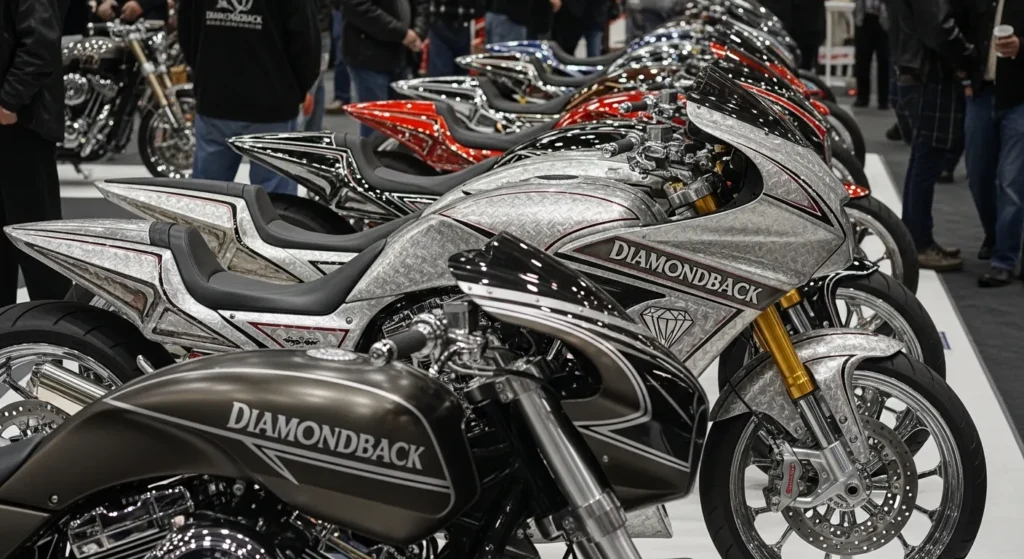
Diamondback Mountain Bikes
Introduction
Diamondback mountain bikes have been a familiar name in the cycling world for decades, especially among beginner and budget-conscious riders. But in 2026, the mountain bike industry has evolved rapidly—with advanced frame geometry, smarter suspension systems, and aggressive competition from brands like Trek, Specialized, and Giant.
So, where does Diamondback stand today?
In this comprehensive guide, we’ll break down everything you need to know about Diamondback mountain bikes—from real-world performance and pricing to honest pros, cons, and competitor comparisons. Whether you’re a beginner buying your first MTB or an experienced rider evaluating value-for-money options, this guide will help you make an informed decision.
Are Diamondback Mountain Bikes Good? (Quick Answer)
Yes—Diamondback mountain bikes are good for specific riders, but not for everyone.
They are best known for:
- Affordable pricing
- Durable frames
- Beginner-friendly designs
However, they may fall short in:
- Modern geometry trends
- High-end innovation
- Competitive performance at premium levels
Bottom line: Great for beginners and casual riders, but less appealing for advanced or performance-focused cyclists.
What Makes Diamondback Mountain Bikes Unique?
1. Direct-to-Consumer Value
Diamondback often follows a semi-direct sales model, reducing retail markup. This allows them to offer:
- Better components for the price
- Competitive entry-level bikes
- Strong value in the $500–$1500 range
2. Level Link Suspension System
One of Diamondback’s standout technologies is the Level Link suspension platform.
It offers:
- Efficient pedaling (less energy loss)
- Better traction on climbs
- Improved rear-wheel stability
While not as advanced as systems from top-tier brands, it performs well in mid-range trail riding.
3. Wide Model Range
Diamondback caters to a broad audience:
- Beginners
- Casual trail riders
- Budget-focused enthusiasts
However, it lacks dominance in elite racing or cutting-edge MTB categories.
Diamondback Mountain Bike Categories Explained
Hardtail MTBs
Hardtails are simpler, lighter, and more affordable.
Best for:
- Beginners
- Cross-country riding
- Smooth trails
Popular models:
- Overdrive
- Hook
Advantages:
- Lower maintenance
- Better pedaling efficiency
Full Suspension MTBs
Full-suspension bikes offer more comfort and control on rough terrain.
Best for:
- Trail riding
- Technical terrain
- Moderate downhill
Popular models:
- Release series
Advantages:
- Improved shock absorption
- Better traction
Entry-Level vs High-End Models
| Category | Price Range | Target Rider | Performance Level |
| Entry-Level | $500–$800 | Beginners | Basic |
| Mid-Range | $800–$2000 | Intermediate | Balanced |
| High-End | $3000+ | Advanced | Limited competitiveness |
Key insight: Diamondback excels in entry and mid-range segments but struggles at the premium level.
Best Diamondback Mountain Bikes (Top Picks)
1. Overdrive Series (Best for Beginners)
- Lightweight aluminum frame
- Reliable Shimano components
- Ideal for cross-country riding
Perfect first mountain bike.
2. Hook & Line Series (Mid-Range Trail Bikes)
- Strong frame geometry
- Wider tires for stability
- Better trail handling
Great balance between price and performance.
3. Release Series (Full Suspension Performance)
- Level Link suspension
- Trail-focused design
- Solid Climbing efficiency
Best option for riders wanting full suspension without breaking the bank.
4. Sync’r (Aggressive Hardtail)
- Modern aggressive stance
- Wide handlebars
- Strong downhill capability
A surprising performer among hardtails.
Real Performance Review (Pros & Cons)
Pros
- Excellent value for money
- Durable aluminum frames
- Beginner-friendly designs
- Wide availability globally
- Lower maintenance costs
Cons (Critical Insights – Your Competitive Edge)
- Some models have outdated geometry
- Limited innovation compared to competitors
- Brand visibility has declined in recent years
- Higher-end models are less competitive in price
- Slower adoption of modern MTB trends
These weaknesses are often ignored—but they matter for serious buyers.
Diamondback vs Competitors (Critical SEO Section)
Head-to-Head Comparison
| Feature | Diamondback | Trek | Specialized | Giant |
| Price | Affordable | Expensive | Expensive | Moderate |
| Innovation | Moderate | High | Very High | High |
| Beginner Friendly | Excellent | Good | Good | Excellent |
| Advanced Riders | Limited | Excellent | Excellent | Very Good |
| Value for Money | Strong | Moderate | Moderate | Strong |
Diamondback vs Trek
- Trek offers cutting-edge geometry and tech
- Diamondback wins on affordability
Choose Trek for performance, Diamondback for budget.
Diamondback vs Specialized
- Specialized dominates in innovation and racing pedigree
- Diamondback focuses on entry-level accessibility
Specialized is premium; Diamondback is practical.
Diamondback vs Giant
- Giant offers better global support and innovation
- Diamondback provides competitive pricing
Giant is more balanced overall.
Who Should Buy a Diamondback MTB?
Ideal Buyers
- Beginners entering mountain biking
- Budget-conscious riders
- Casual trail riders
- Riders looking for low-maintenance bikes
Who Should Avoid It?
Not Ideal For
- Advanced riders
- Competitive racers
- Enduro/downhill specialists
- Riders seeking cutting-edge technology
Pricing Breakdown (Value Analysis)
| Segment | Price Range | What You Get |
| Entry-Level | $500–$800 | Basic components, hardtails |
| Mid-Range | $800–$2000 | Better suspension, trail-ready |
| High-End | $3000+ | Full suspension, but limited competitiveness |
Diamondback delivers the best value in entry and mid-range categories.
Are Diamondback Mountain Bikes Still Worth It in 2026?
This is the most important question.
✔ YES, if you want:
- Affordable MTB
- Reliable build quality
- Beginner-friendly performance
NO, if you want:
- Latest MTB geometry
- High-end suspension systems
- Competitive racing performance
Expert Verdict:
Diamondback remains a smart choice for budget riders, but it is no longer a leader in MTB innovation.
Ownership Experience
Maintenance & Reliability
- Easy to maintain
- Widely available parts
- Long-lasting frames
Spare Parts Availability
- Global availability
- Compatible with standard components
Real Rider Feedback
Common feedback includes:
- “Great value for beginners”
- “Solid but not cutting-edge.”
- “Good bikes, but competitors are improving faster.”
Best Use Cases
- City + light trails
- Weekend riding
- Beginner off-road adventures
- Fitness and recreation
FAQs
A: They are among the best beginner-friendly mountain bikes due to affordability and ease of use.
A: They are known for strong aluminum frames and long-term reliability.
A: Trek offers better technology and performance. Diamondback is more budget-friendly.
A: Diamondback is a U.S.-based brand, but manufacturing is primarily outsourced to Asia.
A: Some models feature older geometry compared to modern competitors.
A: especially mid-range and full-suspension models like the Release series.
A: It’s less dominant than before but still relevant in the budget segment.
Final Expert Verdict
Diamondback mountain bikes in 2026 sit in a very clear position:
They are no longer industry leaders—but they are still excellent value machines.
If you’re starting your MTB journey or want a dependable bike without overspending, Diamondback is still a strong contender.
However, if your goal is high performance, modern geometry, or competitive riding, brands like Trek, Specialized, and Giant will serve you better.
