
Introduction
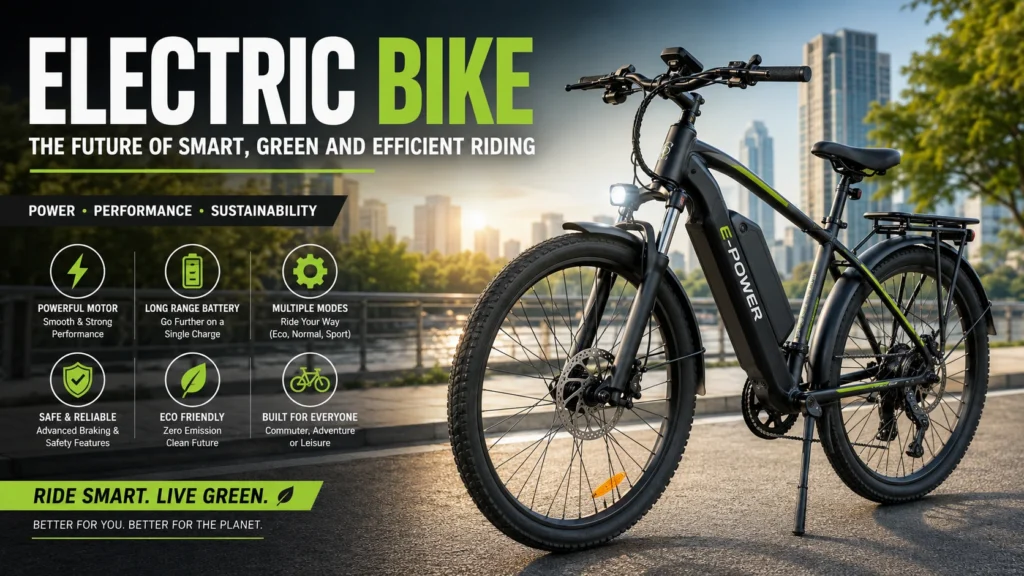
Electric bikes have transformed modern transportation by combining traditional cycling with advanced electric assistance. As cities become more congested and fuel prices continue to rise, millions of people worldwide are turning to electric bikes as a practical, eco-friendly, and cost-effective alternative to cars and motorcycles.
Whether you’re a daily commuter in London, a mountain trail enthusiast in Germany, a student in the Netherlands, or a recreational rider in Australia, electric bikes offer a unique blend of convenience, performance, and sustainability. Unlike conventional bicycles, e-bikes provide pedal assistance through an electric motor, allowing riders to travel longer distances, tackle steep hills, and reduce physical strain without sacrificing the joy of cycling.
In this comprehensive guide, we’ll explore everything you need to know about electric bikes, including how they work, the different types available, battery technology, motor systems, ownership costs, maintenance requirements, safety considerations, and expert buying advice. By the end, you’ll have a complete understanding of whether an electric bike is the right choice for your lifestyle.
What Is an Electric Bike?
An electric bike, commonly known as an e-bike, is a bicycle equipped with an electric motor and rechargeable battery that assists the rider while pedaling. The level of assistance varies depending on the bike’s design, motor power, and riding mode.
Unlike motorcycles or scooters, electric bikes still require rider input in most cases. The motor supplements human effort, making riding easier and more efficient.
Key Characteristics of Electric Bikes
- Electric motor assistance
- Rechargeable battery system
- Pedal-assist technology
- Optional throttle control on some models
- Similar riding experience to traditional bicycles
- Lower operating costs than motor vehicles
Brief History of Electric Bikes
Electric bicycles first appeared in the late 19th century, but technological limitations prevented widespread adoption. The breakthrough came with modern lithium-ion batteries, which dramatically improved range, reliability, and performance.
Today, countries such as Germany, the Netherlands, France, China, Japan, and the United Kingdom have embraced e-bikes as a major part of urban mobility.
How Does an Electric Bike Work?
Understanding how an electric bike works helps buyers choose the right model and maintain it effectively.
The Main Components
| Component | Function |
| Battery | Stores electrical energy |
| Motor | Provides riding assistance |
| Controller | Manages power delivery |
| Sensors | Detect rider input |
| Display Unit | Shows speed, battery, and settings |
Battery System
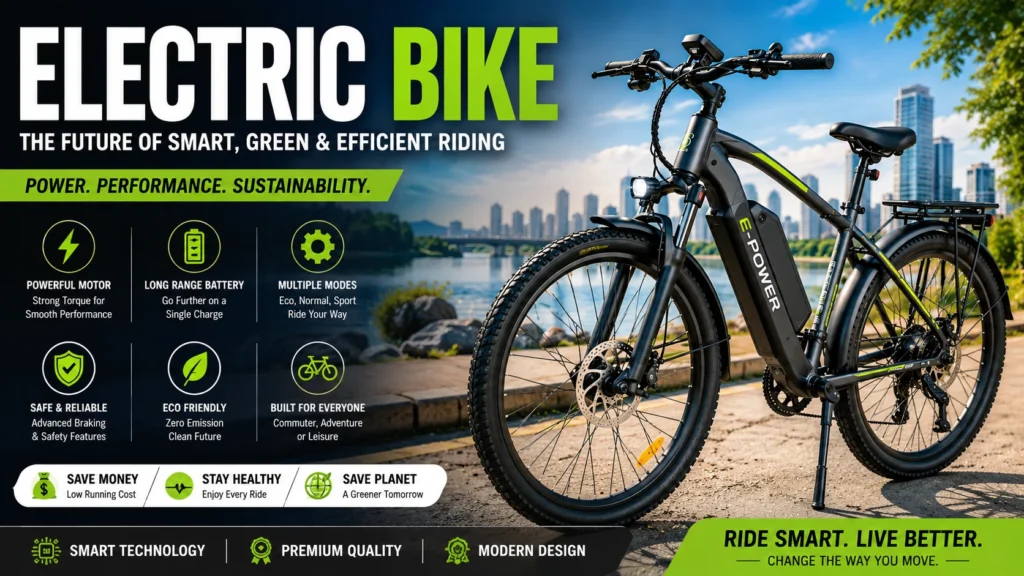
The battery acts as the energy source. Modern electric bikes typically use lithium-ion batteries because they are lightweight, durable, and efficient.
Battery capacities generally range from:
- 250Wh
- 400Wh
- 500Wh
- 750Wh
- 1000Wh+
Higher capacity generally means greater riding range.
Electric Motor
The motor converts electrical energy into mechanical power that assists the rider.
Most e-bikes use:
Hub Motors
Located inside the wheel hub.
Advantages:
- Affordable
- Low maintenance
- Quiet operation
Disadvantages:
- Less efficient on steep climbs
- Limited weight distribution
Mid-Drive Motors
Mounted near the crankset.
Advantages:
- Better hill climbing
- Improved efficiency
- More natural riding feel
Disadvantages:
- Higher cost
- More drivetrain wear
Sensors
Modern e-bikes use:
Cadence Sensors
Detect whether the rider is pedaling.
Torque Sensors
Measure pedal force and provide more natural assistance.
Torque sensors generally offer a premium riding experience.
Types of Electric Bikes
Not all electric bikes are designed for the same purpose.
Electric Commuter Bikes
Designed for urban transportation.
Best for:
- Daily commuting
- City riding
- Short-to-medium distances
Common features:
- Integrated lights
- Mudguards
- Rear racks
- Comfortable geometry
Electric Mountain Bikes (eMTBs)
Built for off-road adventures.
Features include:
- Powerful motors
- Long-travel suspension
- Wide tires
- High torque output
Ideal for:
- Trail riding
- Mountain climbing
- Adventure enthusiasts
Electric Road Bikes
Designed for speed and efficiency.
Benefits:
- Lightweight frames
- Aerodynamic design
- Enhanced endurance
Perfect for long-distance cyclists.
Folding Electric Bikes
Popular among urban commuters.
Advantages:
- Easy storage
- Public transport compatibility
- Apartment-friendly design
Cargo Electric Bikes
Built to carry heavy loads.
Common uses:
- Family transportation
- Delivery services
- Commercial applications
Fat Tire Electric Bikes
Feature oversized tires for improved traction.
Excellent for:
- Snow
- Sand
- Rough terrain
Electric Bike Components Explained
Frame Design
Electric bike frames are typically made from:
| Material | Benefits |
| Aluminum | Lightweight and affordable |
| Carbon Fiber | Premium and ultra-light |
| Steel | Durable and comfortable |
| Titanium | Strong and corrosion-resistant |
Suspension Systems
Common configurations include:
Rigid
Lightweight and efficient.
Front Suspension
Ideal for mixed-terrain riding.
Full Suspension
Best for mountain biking.
Braking Systems
Modern e-bikes commonly use:
- Mechanical disc brakes
- Hydraulic disc brakes
Hydraulic systems offer superior stopping performance.
Electric Bike Battery Guide
Examples:
| Capacity | Typical Range |
| 250Wh | 20–40 km |
| 500Wh | 50–100 km |
| 750Wh | 80–150 km |
| 1000Wh | 120–200+ km |
Actual range varies based on terrain, rider weight, weather, and assistance level.
Battery Lifespan
Most lithium-ion batteries last:
- 500–1000 charge cycles
- 3–8 years of normal use
Battery Maintenance Tips
- Avoid complete discharge
- Store between 20% and 80% charge
- Keep away from extreme temperatures
- Use manufacturer-approved chargers
Electric Bike Motor Guide
Motor performance significantly affects the riding experience.
Motor Power Ratings
Common power levels:
| Power | Typical Use |
| 250W | Urban commuting |
| 500W | Recreational riding |
| 750W | High-performance riding |
| 1000W+ | Heavy-duty applications |
Understanding Torque
Torque determines climbing ability and acceleration.
Typical ratings:
- 40 Nm: Entry-level
- 60 Nm: Mid-range
- 85 Nm: Premium
- 100+ Nm: High-performance eMTBs
Higher torque provides stronger assistance on steep hills.
Benefits of Electric Bikes
Electric bikes offer significant advantages compared to traditional transportation.
Health Benefits
Contrary to popular belief, e-bike riders still exercise regularly.
Benefits include:
- Improved cardiovascular health
- Increased daily activity
- Reduced joint stress
- Better fitness consistency
Environmental Benefits
Electric bikes produce far fewer emissions than cars and motorcycles.
Advantages include:
- Reduced carbon footprint
- Lower energy consumption
- Less traffic congestion
- Reduced noise pollution
Financial Benefits
Operating costs are remarkably low.
Expenses typically include:
- Battery charging
- Routine maintenance
- Tire replacement
Compared to fuel-powered vehicles, annual savings can be substantial.
Electric Bike vs Traditional Bike
| Feature | Electric Bike | Traditional Bike |
| Pedal Effort | Low | High |
| Range | Longer | Rider dependent |
| Speed | Higher average | Lower average |
| Cost | Higher purchase price | Lower purchase price |
| Maintenance | Moderate | Low |
| Accessibility | Easier for beginners | More physically demanding |
Pros of Electric Bikes
- Easier hill climbing
- Longer riding range
- Reduced fatigue
- Faster commuting
- Suitable for wider age groups
Cons of Electric Bikes
- Higher purchase cost
- Heavier weight
- Battery replacement expenses
- More complex maintenance
How Much Does an Electric Bike Cost?
Electric bike prices vary considerably.
| Category | Price Range |
| Budget | €600–€1,200 |
| Mid-Range | €1,200–€3,000 |
| Premium | €3,000–€8,000+ |
Additional Ownership Costs
- Battery replacement
- Brake servicing
- Tire replacement
- Annual maintenance
Despite higher upfront costs, many owners recover expenses through transportation savings.
Electric Bike Buying Guide
1. Define Your Riding Purpose
Ask yourself:
- Commuting?
- Touring?
- Fitness?
- Off-road riding?
2. Choose the Right Motor
City riders may prefer hub motors, while mountain bikers often benefit from mid-drive systems.
3. Consider Battery Capacity
Longer rides require larger batteries.
4. Evaluate Comfort
Check:
- Saddle comfort
- Riding position
- Suspension setup
- Handlebar ergonomics
5. Check Warranty Coverage
A quality e-bike should offer:
- Frame warranty
- Battery warranty
- Motor warranty
Electric Bike Maintenance Guide
Regular maintenance extends lifespan and improves safety.
Weekly Checks
- Tire pressure
- Brake performance
- Battery charge
Monthly Checks
- Chain lubrication
- Bolt tightening
- Wheel inspection
Annual Service
Professional inspection should include:
- Motor diagnostics
- Brake system servicing
- Firmware updates
Electric Bike Safety Tips
- Always wear a certified helmet.
- Use front and rear lights.
- Follow local cycling laws.
- Check tire pressure regularly.
- Inspect brakes before each ride.
- Avoid water exposure to electrical components.
FAQs
Are electric bikes worth buying?
Yes. They offer convenient transportation, reduced commuting costs, and improved accessibility for riders of all fitness levels.
How long does an electric bike battery last?
Most batteries last between 3 and 8 years depending on usage and maintenance.
Can electric bikes be ridden in the rain?
Most modern e-bikes are weather resistant, but riders should avoid deep water exposure.
Do electric bikes charge while pedaling?
Most models do not recharge significantly through pedaling.
How fast can electric bikes go?
Speed limits vary by country, but many commuter e-bikes provide assistance up to 25 km/h or 32 km/h.
Are electric bikes environmentally friendly?
Yes. They produce significantly lower emissions than cars and motorcycles.
Final Verdict
Electric bikes represent one of the most significant developments in personal transportation. They combine the health benefits of cycling with modern electric assistance, creating a practical solution for commuting, recreation, and adventure riding. Whether you’re seeking a greener way to travel, looking to reduce transportation costs, or simply want to enjoy cycling with less effort, an electric bike can be a valuable investment.
As battery technology, motor efficiency, and smart connectivity continue to evolve, electric bikes are likely to play an even greater role in the future of global mobility. Choosing the right e-bike depends on your riding style, budget, and intended use, but for many riders, the benefits far outweigh the drawbacks.
