
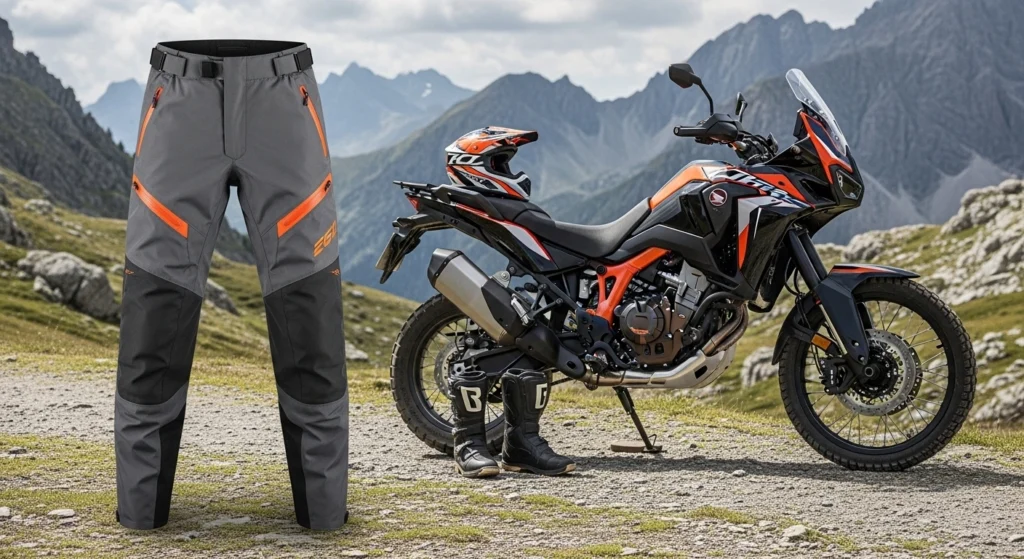
Mountain bike pants
Introduction
Whether you’re tackling technical singletracks, racing enduro courses, or venturing into backcountry trails, the right Mountain bike pants can dramatically improve your riding experience. Unlike standard trousers or casual shorts, MTB pants are specifically engineered to meet the unique demands of off-road cycling. They provide a carefully balanced combination of comfort, durability, protection, and flexibility, allowing you to move freely while staying shielded from rocks, branches, mud, and unpredictable weather.
Selecting the correct MTB pants is far more than choosing a brand or a style. It requires an understanding of the materials used, the fit and articulation of the knees, ventilation systems, weather performance, and compatibility with protective gear such as knee pads or hip protectors. A poorly chosen pair can lead to discomfort, restricted movement, chafing, or even increase the risk of injury on technical trails. That’s why informed decision-making is crucial for every rider, whether you are just starting or looking to upgrade your gear.
This comprehensive guide covers everything you need to know about mountain bike pants. We’ll explore construction materials, the importance of stretch fabrics, reinforced panels, and breathability. You’ll learn how to choose the right fit and sizing, understand weather protection features, and find out how seasonal conditions affect your choice. Additionally, we’ll provide practical tips to ensure your pants work seamlessly with protective gear and accessories, while enhancing your performance on various terrains.
What Are Mountain Bike Pants?
Mountain bike pants, or MTB trousers, are purpose-built for off-road cycling. They are specifically designed to endure rough terrain, impacts, and variable weather conditions while keeping riders comfortable and protected.
Unlike standard pants:
- They resist abrasions from rocks, roots, and branches
- Provide a flexible fit for pedaling and maneuvering
- Accommodate knee pads without constriction
- Offer weather protection without limiting movement
Think of MTB pants like trail-running shoes versus casual sneakers — the specialized design makes a noticeable difference when terrain gets tough.
Why Choose Mountain Bike Pants Over Shorts?
1. Protection From Elements & Terrain
Full-length MTB pants shield your legs from mud, sunburn, branches, rocks, and cold winds. On technical trails or downhill runs, this protection can prevent scrapes, bruises, and long-term skin irritation.
2. Enhanced Comfort & Mobility
Modern MTB pants are crafted with stretch fabrics and articulated knees, allowing unrestricted pedaling, climbing, and maneuvering. Properly fitted pants move with your body, reducing fatigue and chafing during long rides.
3. Weather Adaptability
Full-length pants outperform shorts in cooler climates, rainy conditions, and high-altitude trails. They maintain warmth, wick moisture, and provide wind resistance, keeping you comfortable regardless of changing weather.
Key Features to Look For
1. Material & Construction
- Durable fabrics: Nylon, polyester blends, or 4-way stretch materials provide durability and mobility.
- Reinforced areas: Knees, seat, and inner thighs withstand abrasion from rocks and trails.
- Ripstop/Cordura panels: Offer extra protection in high-wear zones.
- Breathability: Moisture-wicking properties prevent overheating during intense rides.
High-quality MTB pants strike the perfect balance between strength and flexibility, making every ride more comfortable and safer.
2. Fit & Comfort
- Articulated knees: Follow natural leg movement for comfort and efficiency.
- Adjustable waist: Ratchet or drawstring closures allow a perfect fit.
- Slim but flexible: Reduces wind flapping while riding fast downhill.
- Knee pad compatibility: Essential for downhill or aggressive mountain biking.
3. Weather Resistance
- DWR coating: Repels light rain and moisture.
- Water-resistant panels: Protect key areas from splashes and mud.
- Ventilation zips: Increase airflow on hot, steep climbs.
Tip: Select waterproof pants for consistently wet climates and water-resistant pants for occasional rain.
Types of Mountain Bike Pants
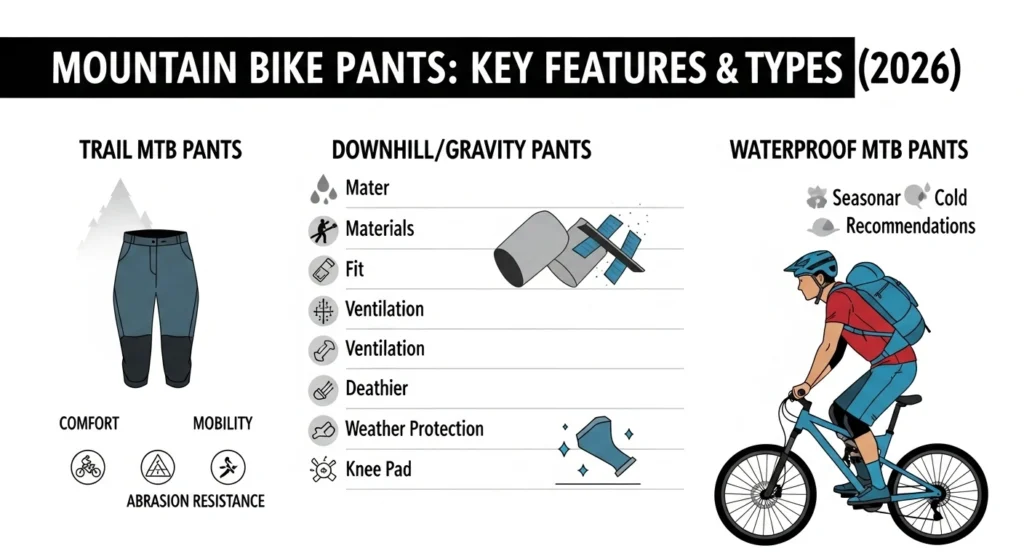
| Type | Ideal For | Key Benefits |
| Trail MTB Pants | All-around riders | Balanced protection, comfort, and flexibility |
| Downhill / Gravity Pants | High-speed descents | Extra robust, abrasion-resistant, durable |
| Waterproof MTB Pants | Wet climates | Fully sealed seams, water-repellent fabrics |
Choosing the right type depends on your riding style, terrain, and climate conditions. Trail riders need versatile pants, while downhill riders require maximum protection.
Fit & Sizing Guide
Correct sizing impacts both comfort and performance:
- Measure your waist and inseam carefully.
- Ensure knee articulation aligns with your leg motion.
- Avoid pants that are too long; tapered cuffs prevent chain or pedal contact.
- Adjustable hems allow layering or use with boots and socks.
Pro Tip: Always test MTB pants by pedaling indoors or on a gentle trail before committing to longer rides.
Seasonal Considerations
Summer Riding
- Prioritize lightweight, breathable fabrics.
- Vent zippers for airflow.
- Avoid thick layers that trap heat during long rides.
Cold Weather Riding
- Look for insulated, windproof materials.
- Layer with thermal base layers if needed.
- Full-length pants prevent cold air from reaching your legs.
Wet Weather Riding
- Choose waterproof or water-resistant fabrics.
- Fully sealed seams protect from splashes and rain.
- Quick-dry inner lining prevents prolonged wetness.
Common Mistakes to Avoid
- Choosing purely based on brand name.
- Ignoring ventilation or breathability features.
- Not checking the knee pad or protective gear compatibility.
- Overlooking seasonal performance (summer vs winter vs wet trails).
- Neglecting proper fit testing before buying.
Avoiding these mistakes ensures longer-lasting comfort and safety on every ride.
FAQs — Mountain Bike Pants
A: Absolutely. Pants provide better protection, warmth, and durability for technical trails and aggressive riding.
A: They can, but MTB-specific pants offer superior stretch, articulation, ventilation, and abrasion resistance.
A: Look for nylon/polyester blends with stretch for flexibility, reinforced areas for durability, and breathable fabrics for moisture management.
A: Waterproof pants have sealed seams for heavy rain; water-resistant pants repel light moisture but may soak in prolonged wet conditions.
A: Men’s and women’s pants differ in waist shaping, hip fit, and knee articulation for maximum comfort.
Conclusion
Selecting the right mountain bike pants involves balancing comfort, protection, mobility, and weather adaptability. Prioritizing durable materials, proper fit, ventilation, and seasonal suitability ensures that every ride is more enjoyable, safer, and controlled. High-quality MTB pants allow riders to tackle trails with confidence while minimizing discomfort and potential injuries.
Even without specific brand recommendations, understanding the key features, types, and fit considerations enables cyclists to make informed, expert-level decisions. By focusing on the design elements that matter — such as reinforced Panels, articulated knees, and moisture-wicking fabrics — you can choose pants that match your riding style and terrain.
Ultimately, MTB pants are an investment in performance, safety, and overall riding experience. With the right pair, whether you’re cruising on a casual trail or charging down a technical downhill, you’ll ride with comfort, protection, and confidence — making every adventure more rewarding.
