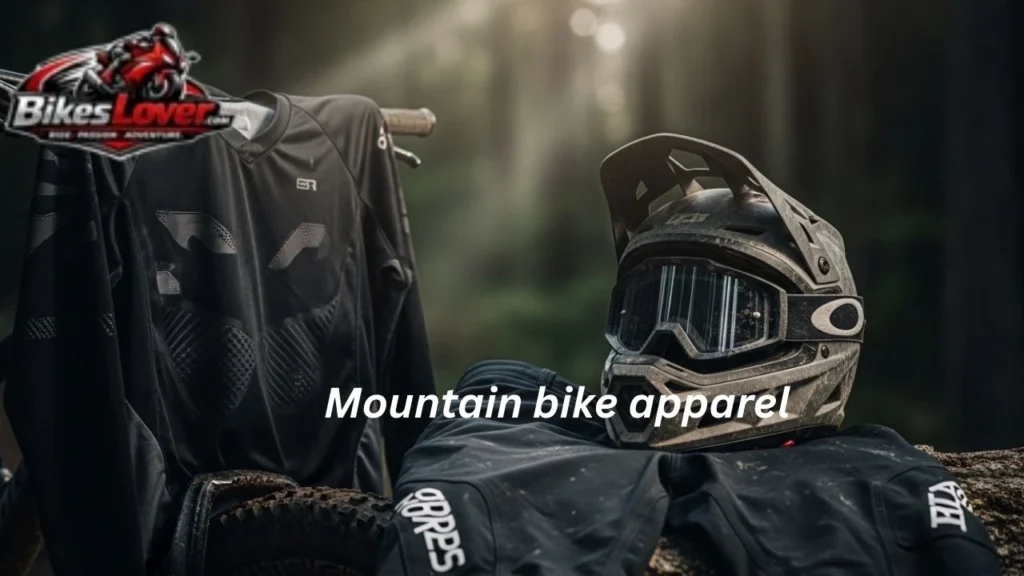
Mountain Bike Apparel Guide 2026
Mountain bike apparel tests how long you can keep going, how steady you stay, when mud shifts underfoot, and rain cuts sideways. Still, plenty who love these bikes – particularly those just starting – focus entirely on frames, foot gear, and head protection. Rarely do they see what clothing built for dirt paths actually does: changes everything.
- This complete 2026 guide takes you step by step through:
- Essential attire for every ride
- Top-performing gear and fabric choices
- Comparative fit and style insights
- Weather-specific riding apparel
- Expert shopping strategies
- Recommended brands
- Common errors to avoid
Fresh off the starting line or already logging miles, what you wear shapes how far you move. This guide lines up choices that keep pace – no matter where pedals take you.
What Is Mountain Bike Apparel?
Not just any clothes work when riding trails. Built tough, mountain biking gear handles rough drops, thick brush, plus long hours outside. Unlike regular athletic wear, it moves with you while taking hits from branches, mud, and rocks. Every piece has a job – protection, breathability, or grip. Rough land demands fabric that won’t quit fast. Durability isn’t added on.
- It’s stitched in from the start.
- Footsteps crunch on uneven ground when luck runs short.
- Sudden slips happen where balance fails
- Moisture management and perspiration control
- Seasonal thermal comfort
- Enhanced mobility and resilience
- Shielding from dirt, branches, and flying debris
Why Mountain Bike Apparel Matters
Not every rider gets it right the first time. Those who’ve logged miles know gear shapes how you roll. A random choice might seem fine – until sweat sticks, seams chafe, or fabric sags mid-pedal.
- Performance Enhancement
- Enables unrestricted range of motion
- Breathable fabrics reduce drag
When you push hard on a ride, it pulls heat away fast. Sweat doesn’t stick around long. Air moves through easily. Dampness vanishes before discomfort starts. Movement stays smooth even when effort builds up.
- Fabric works quietly behind motion.
- Heat escapes without slowing down
- Safety & Protection
- Padded or reinforced regions guard against impacts
Longer sleeves, along with full-length pants,guard skin from injuries like scratches or rough surface burns.
- Comfort & Endurance
- Moisture-wicking textiles prevent chafing and irritation
- Ventilation maintains optimal body temperature
- Footwear built to last keeps feet at ease during extended travel
Folks on bikes often say comfort matters most – how it feels when you move, how air flows. Not who made it. What counts is staying cool while pedaling hard. Brand names? They fade beside a good, snug shape. Sweat builds up less in fabrics that let skin breathe. A tight squeeze or stiff fabric ruins rides fast. Trust comes from fit, not logos stitched on sleeves.
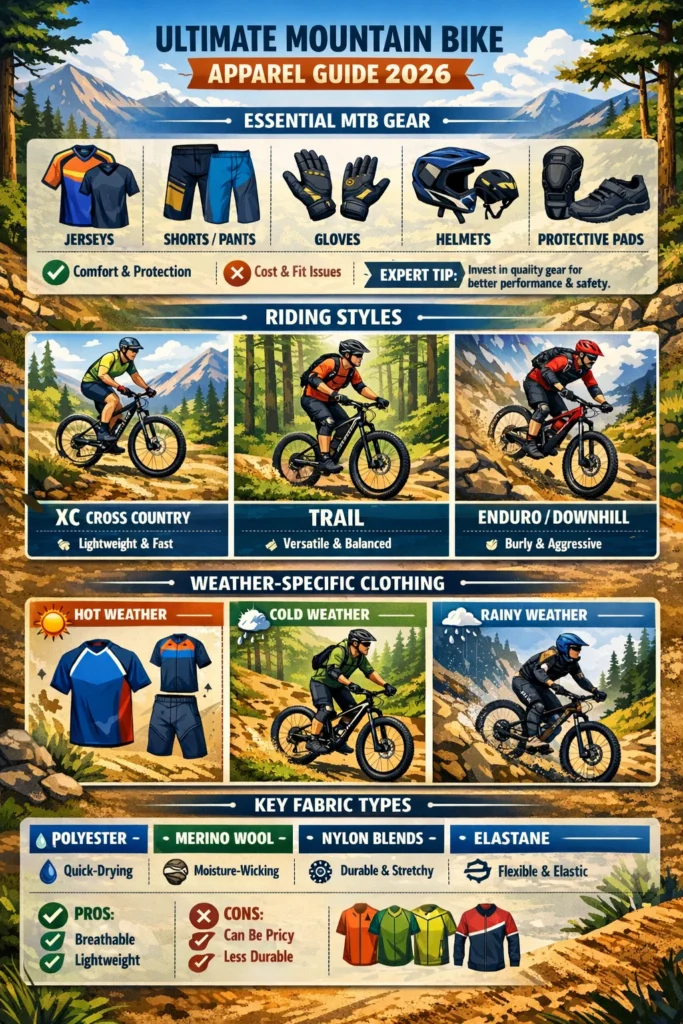
Essential Mountain Bike Apparel: Complete Checklist
Below is a detailed inventory of indispensable MTB clothing for comfort, safety, and peak performance.
1. MTB Jerseys
Jerseys serve as the cornerstone of cycling apparel.
Features:
- Lightweight, highly breathable fabrics
- Quick-drying materials
- Short- and long-sleeve variations
- Ventilation panels for sweat management
Pro Recommendations:
- Polyester jerseys excel in warm conditions
- Merino wool provides odor resistance and year-round comfort
Why They Matter: Jerseys optimize airflow, wick moisture, and maintain body temperature, supporting sustained performance during extended rides.
2. MTB Shorts & Pants
Bottoms for mountain biking are designed to balance flexibility with toughness.
MTB Shorts:
- Stretchable fabrics for unrestricted movement
- Loose-fitting, baggy designs for trail or enduro riders
- Some models incorporate protective padding
MTB Pants:
- Provide longer coverage for colder or rougher trails
- Constructed with reinforced textiles for durability
Types:
- Baggy shorts – ideal for Trail/Enduro
- Tight bib shorts – preferred for XC racing
3. MTB Gloves
Gripping isn’t their only role – safety rides on them too. Comfort slips through when gloves go missing.
Benefits:
- Enhance control on technical trails
- Reduce hand fatigue
- Protect against scrapes and minor impacts
Important Things to Check
- Well-padded palms
- Breathable fabrics
- Adjustable wrist closures for fit
4. Helmets (Non-Negotiable)
A helmet is an indispensable protective measure.
Types:
- Trail Helmets – lightweight, ventilated
- Full-Face Helmets – ideal for downhill and extreme riding
Fit Matters: A helmet that shifts or rubs can be as unsafe as riding without one.
5. Protective Gear
For aggressive or technical trails, additional protection is crucial:
- Knee and elbow pads
- Chest protectors
- Full body armor
These mitigate injuries from falls and flying debris.
6. Shoes & Socks
Your feet generate every pedal stroke.
Options:
- Flat pedal shoes – strong grip and control
- Clipless shoes – improved pedaling efficiency and power transfer
Socks: Should wick moisture, prevent blisters, and maintain foot comfort on long rides.
MTB Apparel by Riding Style (SEO-Rich Section)
Different riding disciplines require distinct clothing setups, optimizing comfort and control. Matching apparel to style can enhance performance up to 30%.
Cross-Country (XC)
XC emphasizes speed and endurance.
Recommended Gear:
- Form-fitting, aerodynamic jerseys
- Stretch bib shorts
- Lightweight protective gear
Objective: Reduce drag and stay cool on long climbs.
Trail Riding
Trail riders need a balance of comfort and protection.
Recommended Gear:
- Breathable yet durable jerseys
- Baggy shorts or light pants
- Moderate protection (knee pads, gloves)
Enduro / Downhill
Prioritizes durability and safety over speed.
Recommended Gear:
- Baggy jerseys and shorts
- Heavy-duty pads and guards
- Full-face helmets
Objective: Safeguard against high-speed impacts and technical trail hazards.
Expert Tip: Matching apparel to your riding style improves control, comfort, and trail performance.
What to Wear in Different Weather Conditions
Weather dramatically influences apparel choice. Here’s a seasonal guide:
Hot Weather
Best Items:
- Short-sleeve breathable jerseys
- Lightweight shorts
- Ventilated glove
Avoid: Cotton clothing – traps moisture, gets heavy, and slows drying.
Cold Weather
Best Items:
- Thermal base layers
- Insulated jackets
- Warm gloves and socks
Tip: Layering traps heat while avoiding overheating.
Rainy or Wet Conditions
Best Items:
- Waterproof jackets
- Water-resistant pants
- Mud-resistant shoe covers
Tip: Layer strategically for warmth and dryness simultaneously.
MTB Fabric Guide (Often Underappreciated)
Fabric choice can outperform flashy brand names.
| Fabric Type | Best For | Advantages |
| Polyester | Hot climates | Lightweight, quick-drying |
| Merino Wool | All seasons | Breathable, odor-resistant |
| Nylon Blends | Durability | Resistant to tearing |
| Elastane/Spandex | Flexibility | Stretchable, comfortable fit |
Pro Insight: Quality materials often surpass expensive gear with poor textiles.
Fit Guide: Baggy vs Tight MTB Clothing
Fit is the difference between good and excellent performance.
| Feature | Baggy Fit | Tight Fit |
| Comfort | High | Moderate |
| Aerodynamics | Low | High |
| Best For | Trail / Enduro | XC Racing |
| Style | Casual | Professional |
Rider Insight: Fit is often the most crucial factor when choosing MTB apparel.
Budget vs Premium MTB Apparel
You don’t need the priciest gear, but quality matters.
Budget ($20–$80):
- Basic moisture control
- Good for beginners
- Shorter lifespan
Premium ($100+):
- Advanced fabrics and fit
- Better ventilation
- Longer-lasting performance
| Category | Budget | Premium |
| Jersey | $20–$40 | $80–$150 |
| Shorts | $30–$60 | $100–$200 |
| Jacket | $50–$80 | $150–$300 |
Reality Check: Beginners often start with casual clothing—but proper gear rapidly transforms the riding experience.
Best Mountain Bike Apparel Brands (2026)
Trusted brands known for quality, durability, and innovation include:
- Fox Racing
- Endura
- Troy Lee Designs
- Patagonia
- Leatt
These brands consistently deliver trail-tested performance gear.
Pro Buying Tips
Before purchasing your next MTB kit, consider:
Prioritize fit over brand
Verify breathability and venting
Look for functional features (zip pockets, adjustable waists, reinforced stitching)
Match your apparel to terrain and riding style
Common Mistakes to Avoid
Avoid these beginner pitfalls:
Wearing cotton clothing
Ignoring weather forecasts
Choosing style over function
Buying the wrong size
Skipping protective gear
Complete MTB Apparel Checklist
| Gear Item | Required | Optional |
| Helmet | ✅ | ❌ |
| Jersey | ✅ | ❌ |
| Shorts/Pants | ✅ | ❌ |
| Gloves | ✅ | ❌ |
| Knee Pads | ❌ | ✅ |
| Jacket | ❌ | ✅ |
Pros & Cons of Mountain Bike Apparel
Pros:
- Enhances performance
- Improves safety
- Increases comfort
- Adapts to varying weather
Cons:
- Can be costly
- Requires careful selection
- May be excessive for casual riders
Global Buying Considerations
Different regions require tailored apparel:
Europe & UK: Rain and cold necessitate weather-resistant gear.
USA & Australia: Hot, variable climates favor lightweight, breathable clothing.
Asia (India & Pakistan): Lightweight, hot-weather gear and budget-friendly options dominate.
FAQs
A: Wear breathable jerseys, durable shorts/pants, gloves, a helmet, and protective gear for optimal safety and comfort.
A: But MTB-specific clothing enhances durability and moisture management.
A: For regular riders, yes. Premium gear lasts longer and delivers superior performance.
A: Polyester excels in hot weather; merino wool is excellent for all-season comfort.
A: Depends on riding style: tight for cross-country, loose for trail or downhill.
Final Verdict
Mountain bike apparel isn’t just about style—it’s central to performance, safety, and overall riding experience.
Focusing on:
- Proper fit
- Appropriate fabrics
- Style-specific gear
Whether a beginner or pro, investing in quality MTB clothing is one of the smartest moves for an enduring and enjoyable mountain biking journey.
