
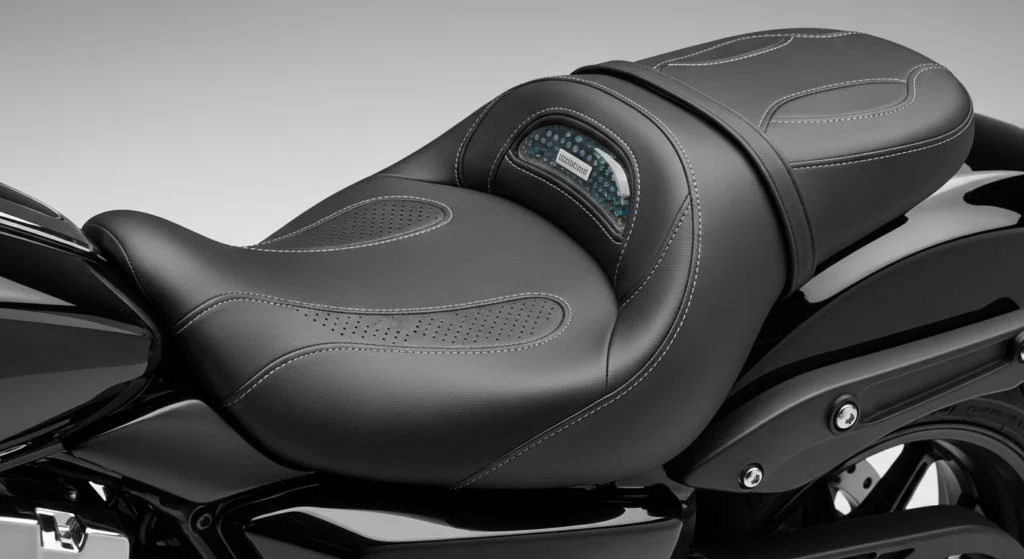
Best bike seat
Choosing the right Best bike seat in 2026 isn’t just about comfort—it’s about unlocking better performance, preventing injuries, and actually enjoying your ride. Many cyclists blame their bike when they feel numbness, saddle soreness, or lower back pain. In reality, the problem is often a poorly fitted or mismatched saddle.
A well-chosen bike saddle supports your sit bones, improves pedaling efficiency, and allows you to ride longer without discomfort. Whether you’re commuting daily, training on the road, or heading out for long-distance touring, your saddle plays a central role in your cycling experience. Ignoring it can lead to pain, poor posture, and even long-term issues.
Think of your saddle as the foundation of your ride—it’s the single contact point that directly affects comfort, control, and endurance. Investing time in choosing the right one is one of the smartest upgrades any cyclist can make.
Understanding Bike Saddles
Before selecting a saddle, it’s crucial to understand its components and how they contribute to comfort and function.
Main Parts of a Bike Saddle
| Component | Function |
| Shell | The rigid base structure of the saddle that shapes the support |
| Rails | Metal bars connecting the saddle to the seatpost |
| Padding | Foam, gel, or mixed inserts providing cushioning |
| Cover | Outer layer, either synthetic or natural leather |
| Cutout / Channel | Central groove to relieve pressure and improve circulation |
| Nose | The front portion where thighs rub during pedaling |
| Wings | Rear section supporting sit bones |
Comfort Factors That Significantly Influence Ride Quality
Shape & Width
Your saddle should align with your sit bones, rather than pressing uncomfortably against soft tissue.
- Too narrow → pressure on soft tissue and increased numbness
- Too wide → chafing and rubbing during pedaling
Common Width Ranges:
130–145 mm – narrow (road/competitive fit)
145–160 mm – medium (comfort-oriented)
160+ mm – wide (upright cruisers and casual riders)
Tip: Match your saddle width to your measured sit bone distance for optimal comfort.
Padding: Gel, Foam, or Minimal
Many assume that more padding equals more comfort, but excessive cushioning can actually create pressure points on longer rides.
| Padding Type | Best For | Feel | Durability |
| Gel | Casual riders, commuters | Soft & plush | Medium |
| Foam | Urban commuters & daily riders | Balanced | High |
| Minimal / Performance | Road racers & competitive cyclists | Firm & responsive | Very High |
Cutouts & Pressure Relief
Modern saddle technology often incorporates pressure-relieving designs:
Central cutouts to alleviate perineal pressure
Channels for improved blood flow
Split-nose designs for long-distance comfort
Brands like Selle Italia and Fizik are known for their ergonomic pressure-relief innovations.
Material & Build Quality
Rails Material
Steel – strong and economical
Titanium – lightweight and flexible
Carbon – ultra-lightweight and high-performance
Shell Material
Plastic – affordable and sturdy
Carbon – premium, lightweight, and responsive
Selecting a Saddle Based on Riding Style
Your cycling posture and activity type play a critical role in saddle choice.
Commuting & Urban Rides
Upright, relaxed posture
Wider, cushioned seat
Gel or medium foam padding
Ideal for: short commutes, e-bikes, city riding
Road Racing
Forward-leaning posture
Narrower saddles for aerodynamics
Lightweight, performance-oriented materials
Ideal for: high-speed training, road racing, competitive cycling
Mountain Biking
Frequent standing and dynamic movement
Reinforced edges for durability
Medium padding with durable cover
Ideal for: trail riding, technical terrains
Long Endurance / Touring
Medium-firm padding
Pressure-relief cutouts
Slightly flexible shell for shock absorption
Ideal for: century rides, multi-day touring
Rider Anatomy & Personalized Fit
Proper fit is essential. Measuring your body helps identify the correct saddle width and shape.
How to Measure Sit Bone Width
- Sit on a hard surface or cardboard
- Press down to leave an impression
- Measure the distance between the two marks
- Add 20–30 mm for padding clearance
This ensures your saddle supports the bones, not soft tissue.
Gender-Specific Considerations
Women usually have wider sit bones and different pressure distribution. Female-specific saddles often feature:
Wider rear section
Shorter nose
Enhanced pressure relief
Top Bike Seats for Every Rider
Here are some curated saddle selections based on riding type, comfort, and performance.
Best Overall Bike Seat – Fizik Aliante R5
Best for: Road & endurance riders
Key Features:
WingFlex carbon shell for lateral support
Lightweight rails
Moderate firmness for performance + comfort
Advantages:
Excellent power transfer
Durable materials
Versatile across road & endurance rides
Drawbacks:
Not ideal for upright commuter Riding
Higher-end price
Best Comfort Bike Seat – Selle Royal Respiro
Best for: Casual cyclists & city commuting
Features:
Ventilation channel to reduce sweating
Gel padding
Waterproof, durable cover
Advantages:
Comfortable upright posture
Effective shock absorption
Affordable pricing
Drawbacks:
Slightly heavier
Not optimized for racing
Best Saddle for Long Rides – Brooks B17
Classic leather touring saddle
Why it stands out: Leather molds to your anatomy over time, enhancing long-distance comfort.
Advantages:
Exceptional comfort on extended rides
Very durable
Timeless aesthetic
Drawbacks:
Requires a break-in period
Premium cost
Best Saddle for Women – Selle Italia Diva Gel
Best for: Female cyclists
Features:
Wider rear
Gel support
Pressure-relief cutout
Advantages:
Excellent anatomical comfort
Lightweight & high-quality construction
Drawbacks:
Higher price point
Best Budget-Friendly Bike Seat – WTB Speed
Affordable ergonomic saddle for casual use
Advantages:
Cost-effective
Durable cover
Comfortable enough for short commutes
Drawbacks:
Limited Styling options
Basic cushioning
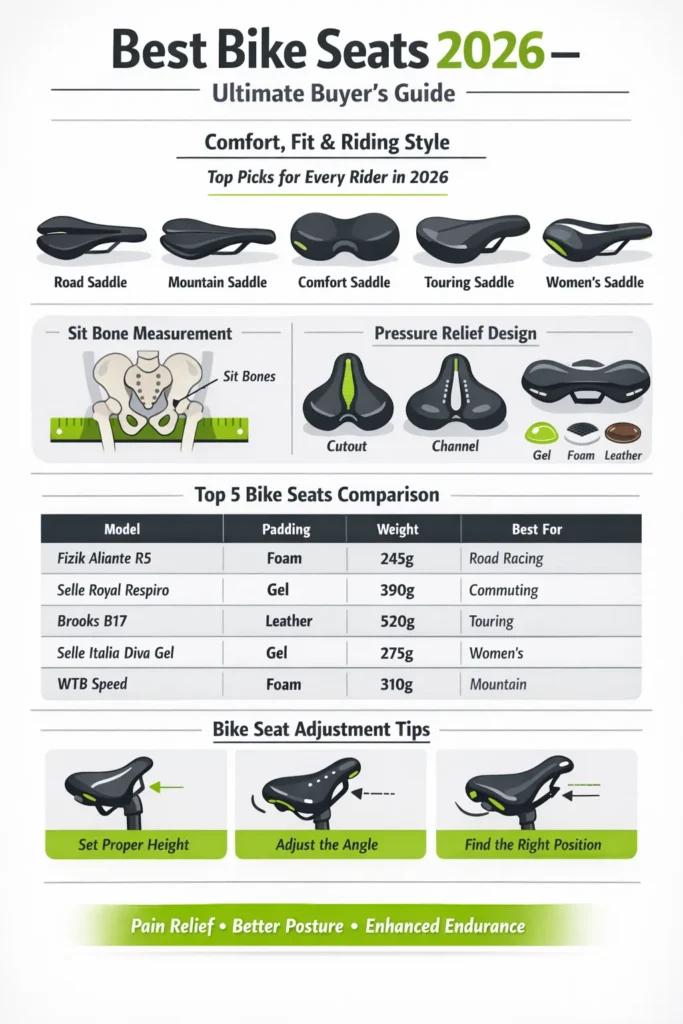
Comparison Table – Top Saddles 2026
| Saddle | Best For | Padding | Weight | Price Range |
| Fizik Aliante R5 | Road & endurance | Foam | Light | €€€ |
| Selle Royal Respiro | Comfort commute | Gel | Medium | €€ |
| Brooks B17 | Touring / long rides | Leather | Heavy | €€€ |
| Selle Italia Diva Gel | Women riders | Gel | Light | €€ |
| WTB Speed | Budget commuters | Foam | Medium | € |
Pros & Cons
Advantages:
Enhanced comfort & ride quality
Better pedaling efficiency
Reduced numbness & pain
Longer lifespan
Improved posture & performance
Disadvantages:
Higher initial investment
May require trial & error
Premium models are expensive
How to Adjust Your Saddle Like a Pro
Even the best saddle fails if improperly adjusted.
Seat Height
Slight bend in the knee (~25–30°) at the bottom of the pedal stroke
Fore-Aft Position
Align the knee vertically with the pedal axle
Tilt Angle
Start level, then adjust slightly downward if front pressure occurs
Incorrect adjustments can lead to knee, hip, and back discomfort
Saddle Maintenance Tips
Keep your bike seat in top condition with these practices:
Clean gently with mild soap
Avoid harsh chemicals
Condition leather seats regularly
Check and tighten rail bolts monthly
Protect from the sun and moisture
FAQ
A: Comfort depends on posture, riding style, and body shape. Upright riders prefer wider gel saddles; road cyclists often select firm, ergonomic saddles with cutouts.
A: Measure your sit bone width, match it to saddle width, and consider your riding style. Pressure-relief needs are also key.
A: Premium saddles usually offer better materials, design, and weight distribution, but proper fit matters more than price.
A: Choose a saddle with appropriate width, slight flexibility, and correct height. Many back issues stem from incorrect positioning rather than the saddle alone.
A: Generally, yes. Women typically have wider sit bones and benefit from shorter noses and enhanced cutouts.
Conclusion
Finding the best bike seat in 2026 comes down to one simple principle: fit matters more than price or brand. A well-matched saddle supports your anatomy, aligns with your riding style, and enhances both comfort and performance.
Modern innovations like 3D-printed padding, ergonomic cutouts, and short-nose designs have made it easier than ever to find a saddle that truly works for you—but only if you choose wisely. Take the time to measure your sit bones, understand your riding posture, and make small adjustments where needed.
Suppose you’re serious about cycling—whether commuting, training, or touring—don’t overlook your saddle. It’s one of the most impactful upgrades you can make. Start with the recommendations above, test what works, and fine-tune your setup for long-term comfort and performance
